
Research perspectives
Physical Sciences and Engineering
Research in physics, chemistry, mathematics, computing, engineering, and technology.
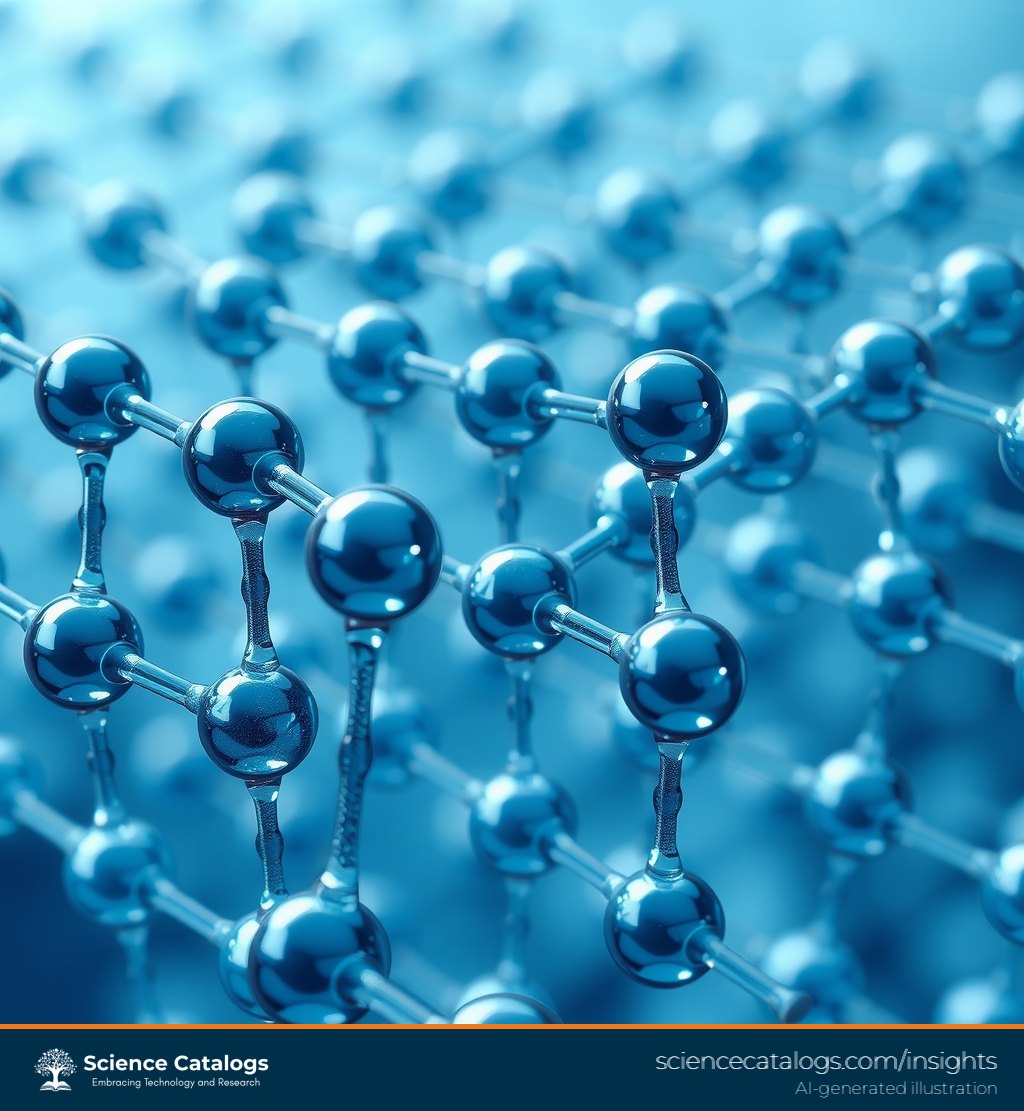
Ordering of water molecules switches on magnetic pairing in copper complexes
Researchers at Tohoku University, working with National Taipei University of Technology (Taipei Tech), report that the orientation of water molecules…
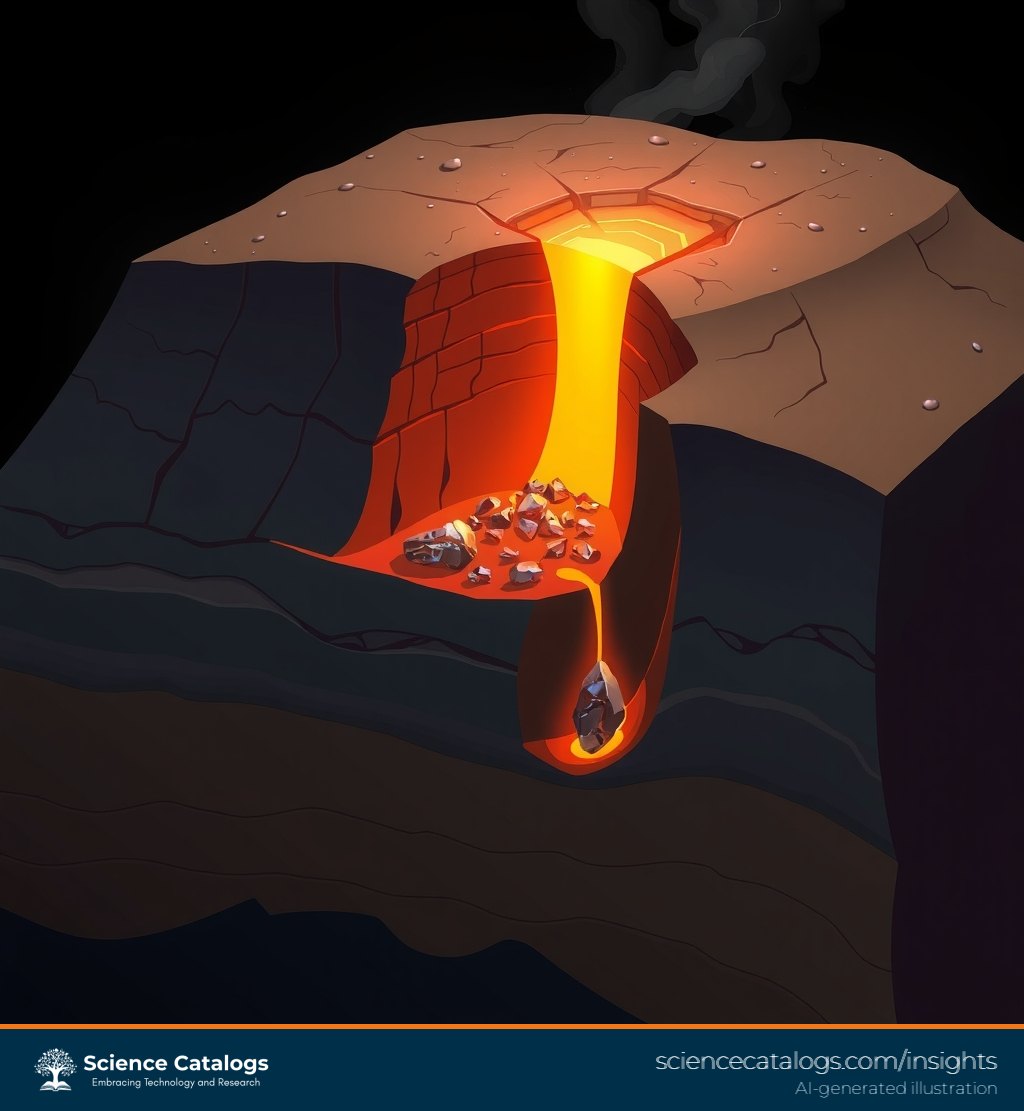
Tin granites inherit their tin and reduced chemistry from their source rocks
A study led by Joseph Benson at the University of St Andrews, with colleagues at the University of Oxford, challenges a long-standing explanation for…

Nanoindentation triggers room-temperature recrystallisation in molybdenum
Researchers at the University of Rochester and the Technion–Israel Institute of Technology have found that molybdenum can be recrystallised at room t…

Regional warming in 2025 already close to 1.5°C-world levels, study finds
Regions across the world may already have experienced 90%–94% of the warming expected when global average temperature reaches 1.5°C above preindustri…

Analogue in-memory chip performs Fourier transforms of 65,536 points
A team from Sandia National Laboratories, Infineon Technologies and Arizona State University has shown how to run large Fourier transforms on an anal…
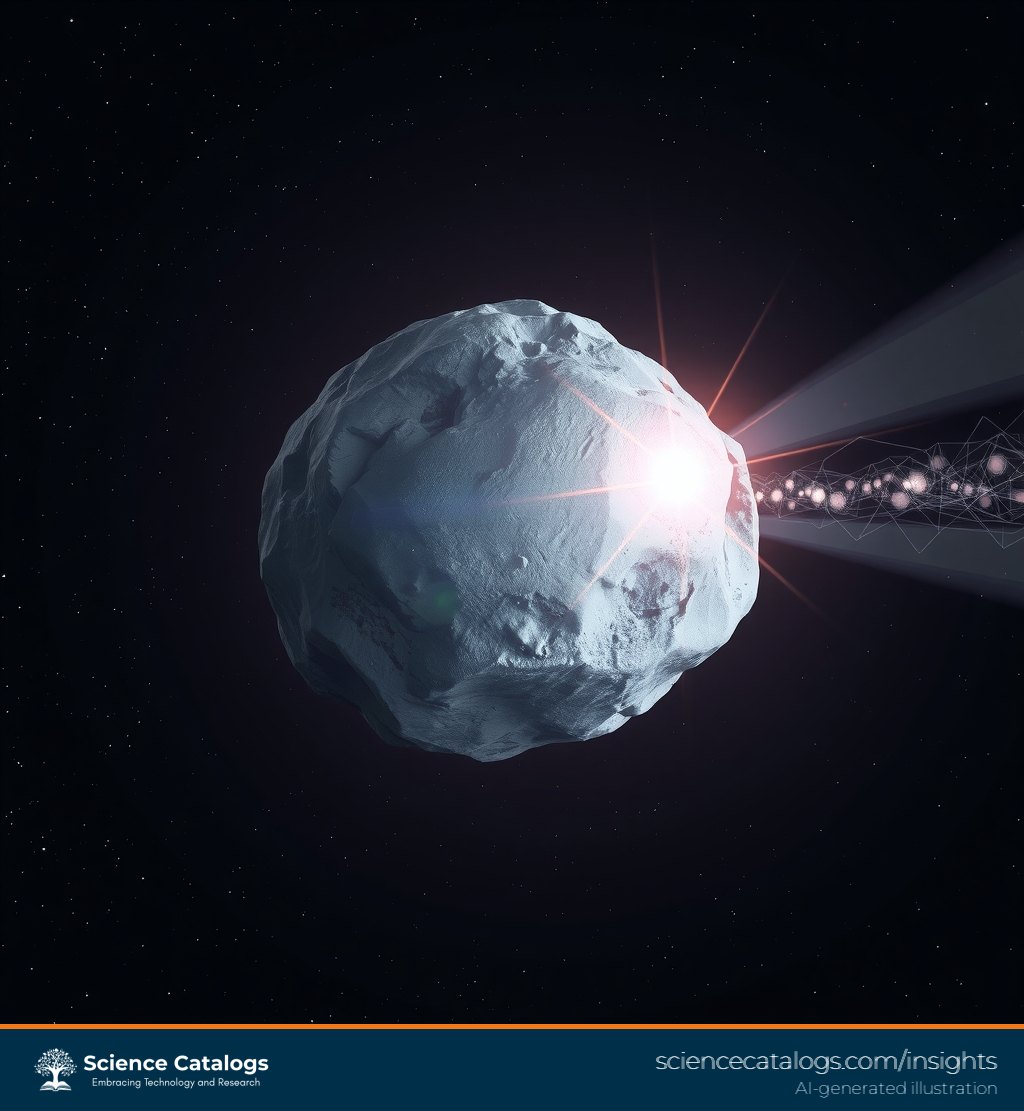
Aim matters when using nuclear X-rays to deflect an asteroid, simulations show
The direction from which a nuclear X-ray burst strikes an asteroid can change the resulting deflection several times over, according to a study in Ic…

Human metabolism released an estimated 2.05 billion tonnes of CO2 in 2015, study finds
Human metabolism produced an estimated 2.05 billion metric tons of carbon dioxide in 2015, up 74% from 1.18 billion metric tons in 1985. A modelling …
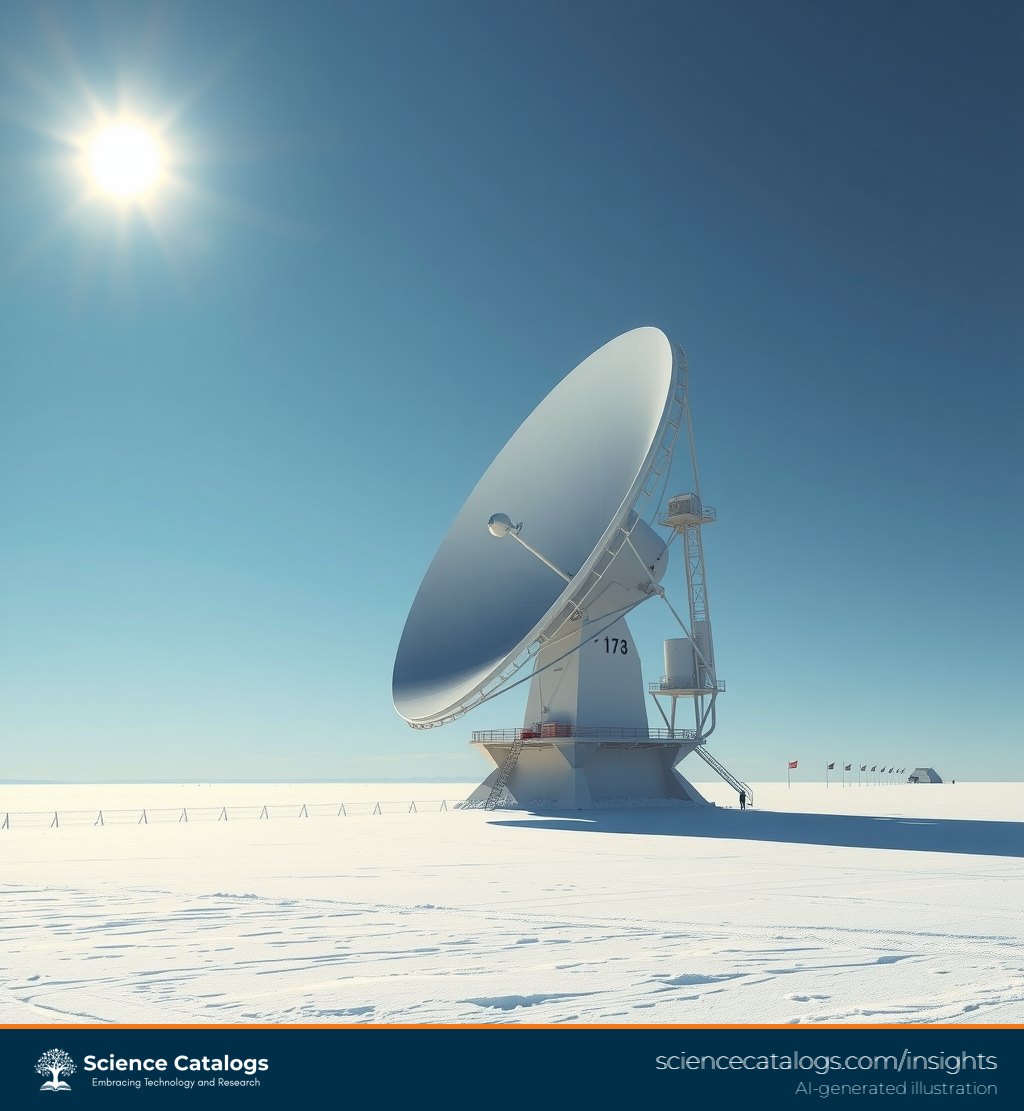
Hunting primordial gravitational waves in the polarised glow of the early universe
Astrophysicists working at the Amundsen-Scott South Pole Station are using the South Pole Telescope (SPT) and BICEP experiments to look for a faint p…
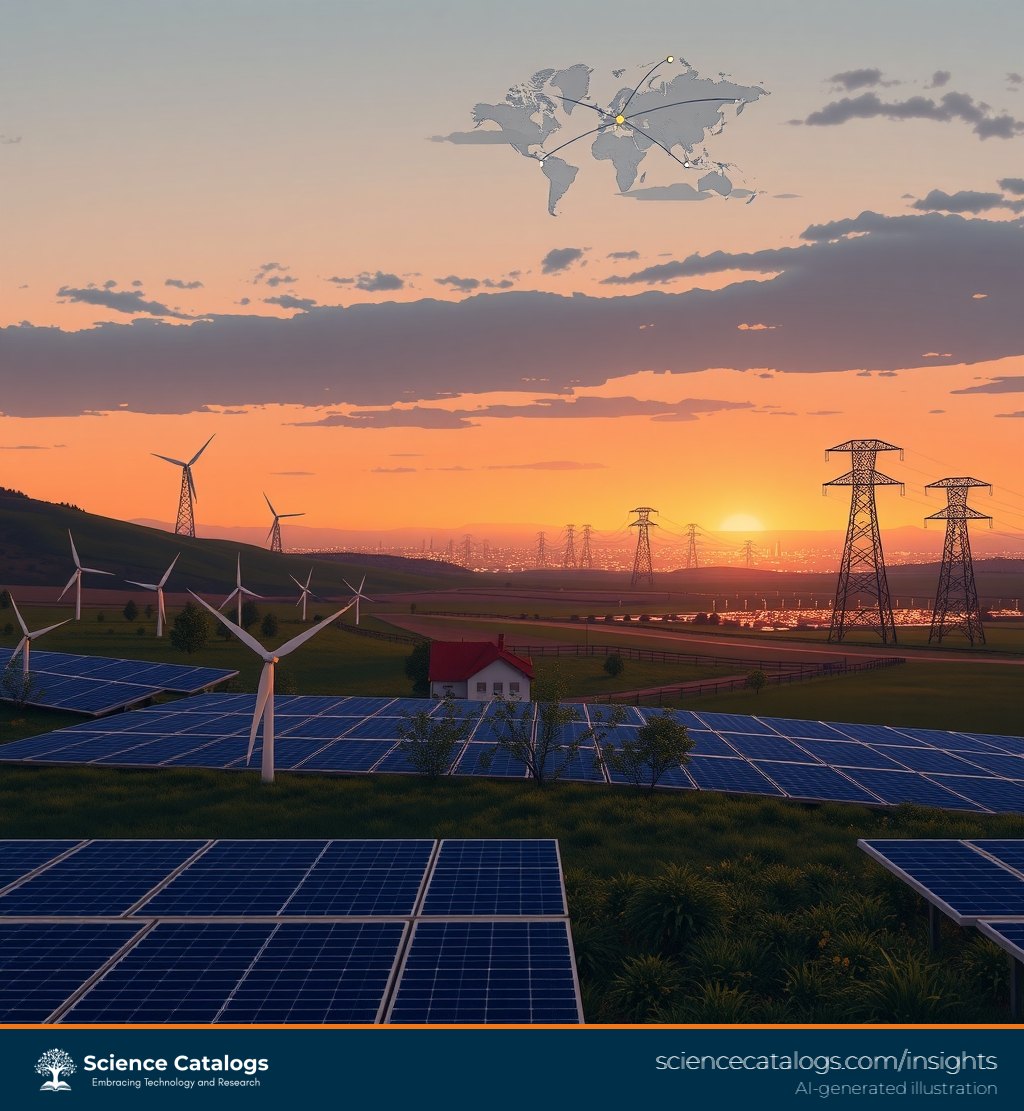
IEA forecasts near-4,800 GW of new renewable capacity by 2031, driven by energy security
The International Energy Agency (IEA) expects global renewable power capacity to grow by almost 4,800 gigawatts (GW) between 2026 and 2031, nearly 60…

Sewn fabric moulds used to cast concrete beams with far less material
Engineers at the Massachusetts Institute of Technology (MIT) have cast a 3-metre concrete beam in a sewn fabric mould, producing an optimised form th…

LOFAR produces its sharpest, deepest low-frequency radio image, revealing 63,000 sources
An international team led by Leiden University has made the sharpest and most sensitive low-frequency radio image of the sky to date, using the Low F…

Foldable printed films shield electronics from broadband electromagnetic waves
A group at the Hefei Institutes of Physical Science (HFIPS), part of the Chinese Academy of Sciences, has developed flexible films that block electro…