Tin granites inherit their tin and reduced chemistry from their source rocks
 S
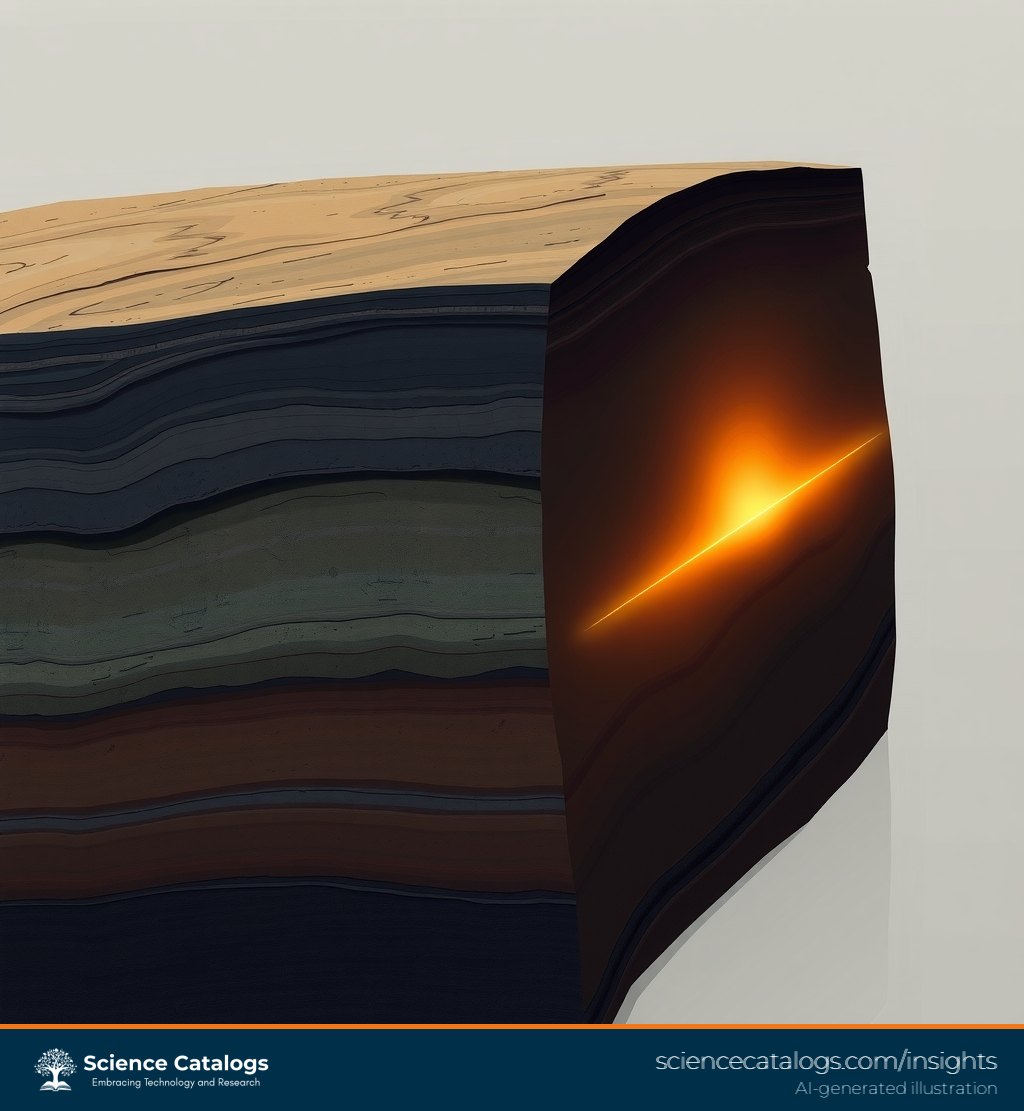
A study led by Joseph Benson at the University of St Andrews, with colleagues at the University of Oxford, challenges a long-standing explanation for how tin deposits form. Published in Geology, the work concludes that the defining traits of "tin granites" are set by the rocks that melt to produce the magma, rather than by processes during its later cooling and crystallisation.
Why tin granites matter
Tin granites supply most of the world's tin, and southwest England is a well-known example. Tin is the main component of solder, and so underpins electronics from phones and batteries to data centres. As electrification expands, the authors argue that understanding how tin concentrates is important for finding new supplies with a smaller environmental footprint.
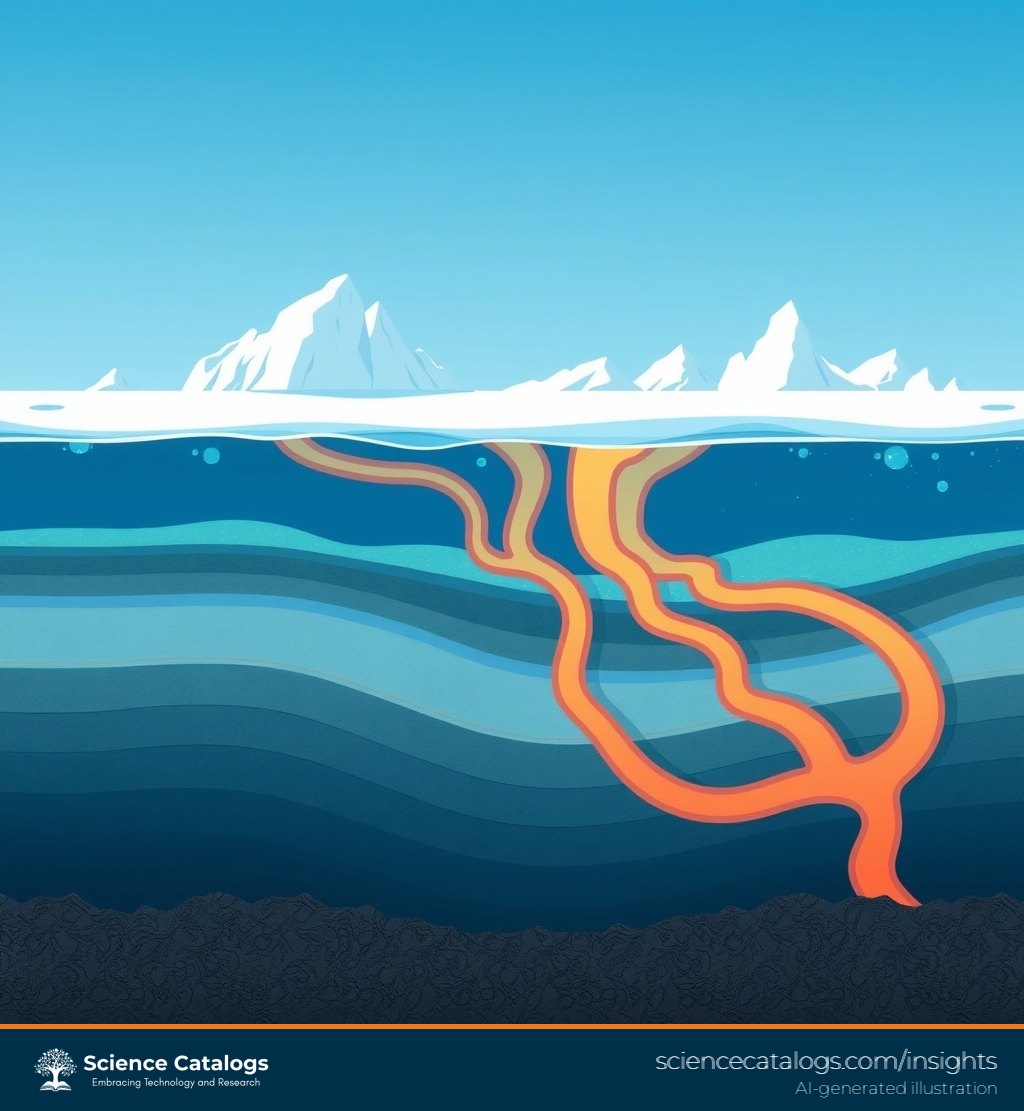
The standard view has been that tin is concentrated by extreme fractional crystallisation. In this process, minerals crystallise out of a cooling magma and the remaining melt becomes steadily richer in elements that do not fit into those minerals, tin among them.
The missing piece: a reduced signature
Tin granites are also known to be highly reduced, meaning they formed under low-oxygen conditions. Copper-rich granites, by contrast, tend to be oxidised. According to the researchers, earlier quantitative models addressed tin enrichment but did not account for this reduced character. The new work set out to explain how a single magma can end up both tin-rich and reduced.
The team used recent advances in geochemical modelling and combined them with findings from published experimental studies. Their results show that the reduced character of tin granites is inherited directly from the melting of highly reduced source rocks.
A redox transition zone
Coupling the models with experimental data, the authors found that the melting conditions that produce a reduced melt fall within a "redox transition zone". Within this zone, tin is preferentially enriched in the magma. The tin-rich and reduced features therefore arise together at the point of melting.
The modelling also exposes a problem with the traditional account. Fractional crystallisation tends to oxidise a magma, so it cannot be the process that both concentrates tin and yields a reduced granite. The results instead point to a source rock that is already rich in tin before melting begins.
Benson summarised the finding: unless the source rock is tin-rich and highly reduced, a tin deposit will not form.
Implications for exploration
The study offers new quantitative constraints on the petrogenesis of tin granites. It suggests that their scarcity reflects a rare coincidence of tin-rich, reduced source rocks, not the details of magmatic processing. This shifts attention from the granite itself to the deeper rocks that gave rise to it.
The authors suggest this could help narrow down geological terranes that may be prospective for new deposits. Exploration geologists could use such source-based criteria alongside existing methods when deciding where to search. The source material does not report field tests of this approach, so its practical value remains to be shown.
The work is a modelling study built on existing experimental data, and further testing against the geochemistry of known tin provinces would show how widely the conclusions apply. The paper is titled "The tin granite trade-off: Modeling redox evolution during magmatic processing" (DOI: 10.1130/g55195.1).
Source: Tin deposits are formed from source rocks, not cooling (Phys.org, 10 November 2026).
Image: AI-generated illustration.
Working on this topic? Find a journal for your research or join the discussion on Scholars Post.