
Research perspectives
Physical Sciences and Engineering
Research in physics, chemistry, mathematics, computing, engineering, and technology.

Antarctic sea ice sets record daily lows for October after early spring collapse
Antarctic sea ice reached record daily lows in October 2026, according to satellite observations summarised by scientists at the Australian Antarctic…

Machine learning tracks electron hopping in titanium oxide over far longer times
Researchers at TU Wien have built a machine-learning method that follows electrons as they hop between atoms in titanium oxide over periods more than…
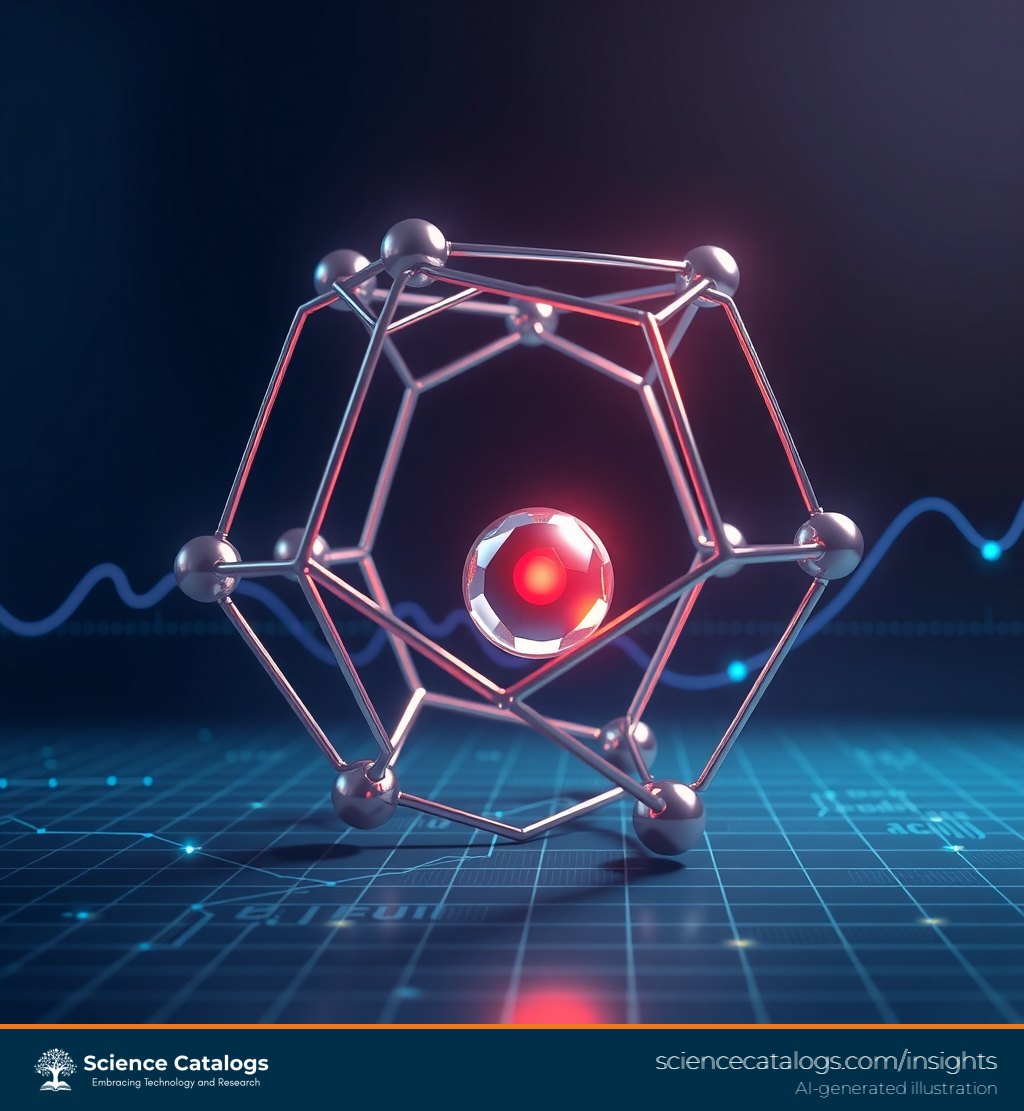
Machine learning reveals why some molecular cage catalysts outperform others by over 10,000-fold
Researchers at the universities of Birmingham, Edinburgh and Oxford have combined rapid in-solution screening with machine learning to explain why so…
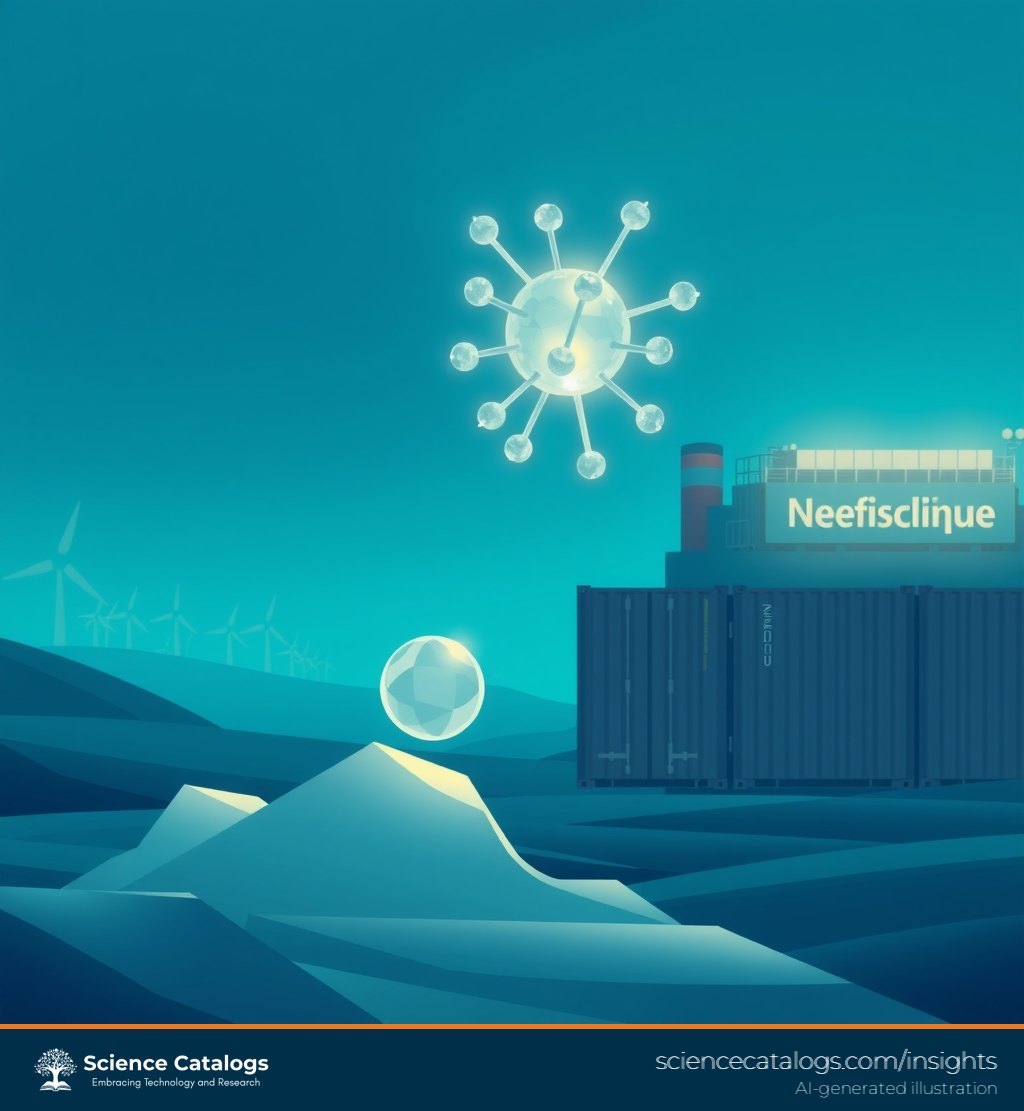
Tungsten boride nanoparticles show promise as ammonia-cracking catalysts in simulations
Researchers at the Skolkovo Institute of Science and Technology (Skoltech) have used computer simulations to identify tungsten borides as candidate c…

DNA cubes designed by simulation self-assemble into large 3D nanostructures
A team at Arizona State University (ASU) has built a platform in which cube-shaped DNA blocks assemble themselves into programmed three-dimensional s…

Past peatland drainage accounts for about 2.7% of human-caused warming
Draining peatlands has contributed roughly 2.7% of the warming attributed to human activity since the Industrial Revolution, according to a study in …
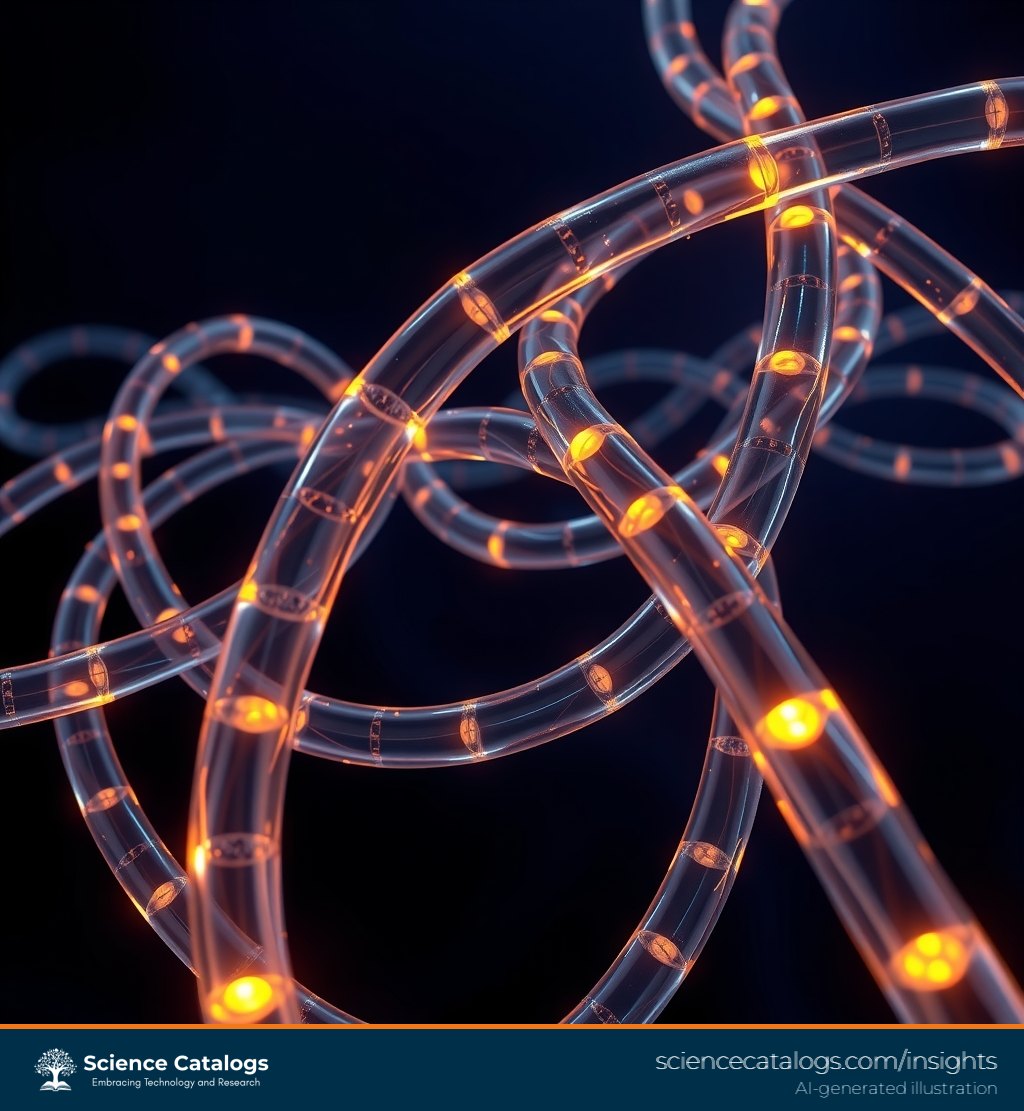
Carbon nanotube films follow Luttinger liquid physics, not the classical Drude model
A team from Lithuania, Finland and Israel reports that electrons in carbon nanotube films behave as an interacting, one-dimensional system rather tha…

Niobium phosphide nanoribbons outperform copper at the smallest chip-wire scales
Researchers at Stanford University have shown that nanoribbons of niobium phosphide (NbP), a topological semimetal, conduct electricity better and mo…
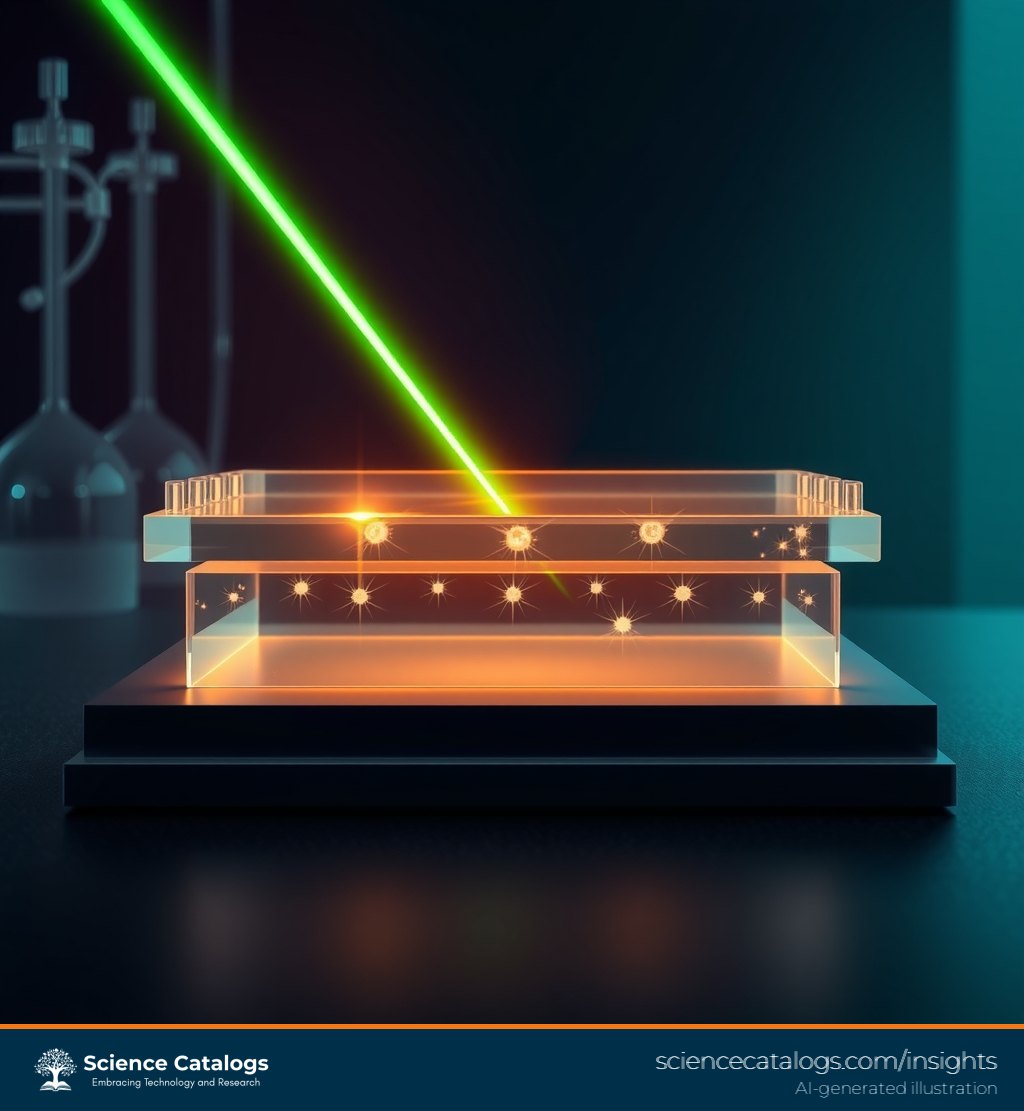
Photoluminescence locates the active interface in a stacked 2D semiconductor diode
A team in Japan has used light emission to identify which interface governs current flow in a diode built from two atomically thin semiconductors. Un…

Two decades of MIT energy research: forecasts, spin-outs and open problems
The MIT Energy Initiative (MITEI) has reached its 20th anniversary, and its director, William H. Green, has taken stock of what two decades of indust…

Salt-based air conditioner cuts a Georgia restaurant's cooling energy use by 40%
A pilot of a new air-conditioning design at a Waffle House restaurant in Macon, Georgia, used 40% less energy than the unit it replaced. According to…

Riemann hypothesis proof, developed with Claude, reported correct by independent checkers
Levent Alpöge, a mathematician at Anthropic, posted a proof of the Riemann hypothesis on 20 November, saying he developed it together with the compan…