
Research perspectives
Physical Sciences and Engineering
Research in physics, chemistry, mathematics, computing, engineering, and technology.
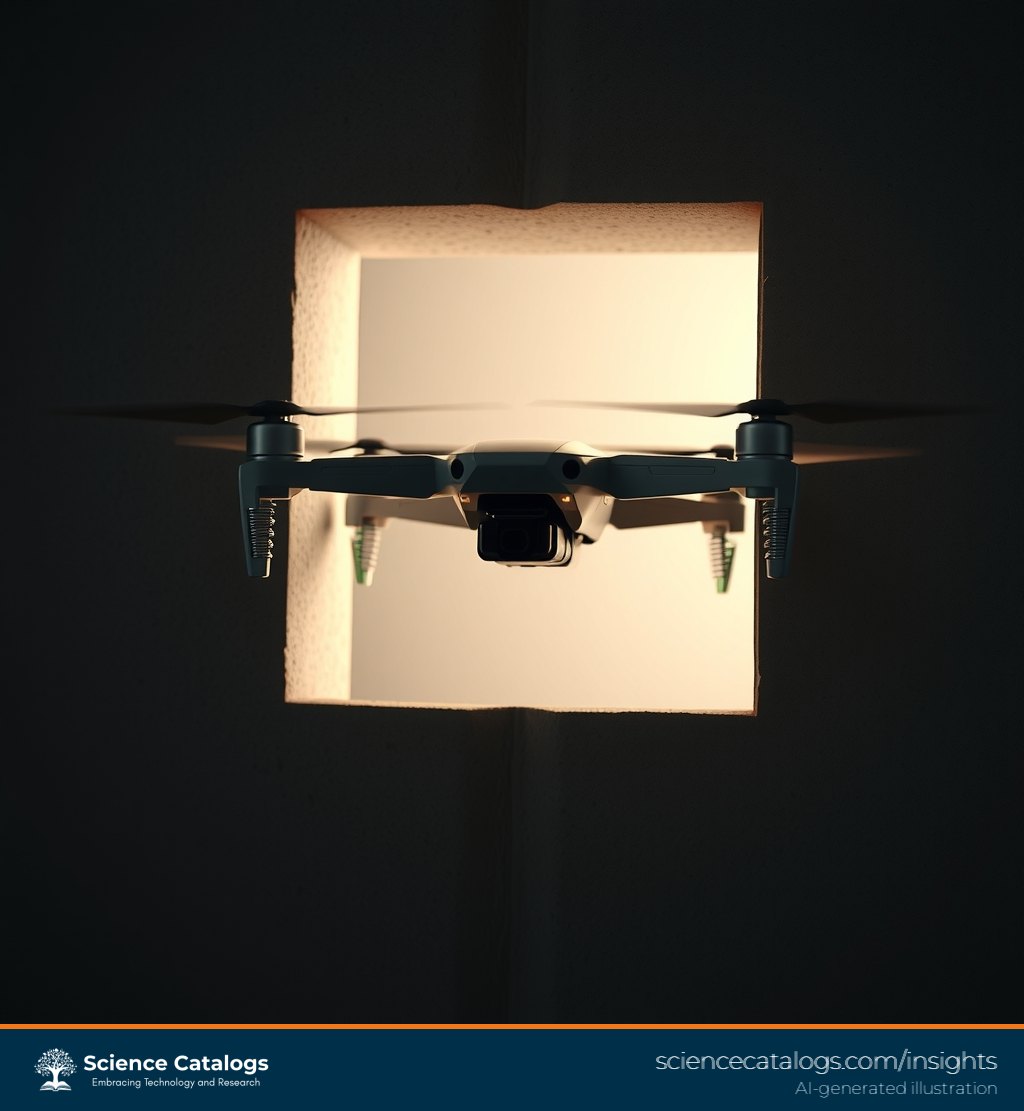
Passive folding arms let a quadrotor squeeze through gaps half its width
A European research team has built a quadrotor whose side arms fold passively when they touch the edges of a narrow opening, cutting its width from 3…
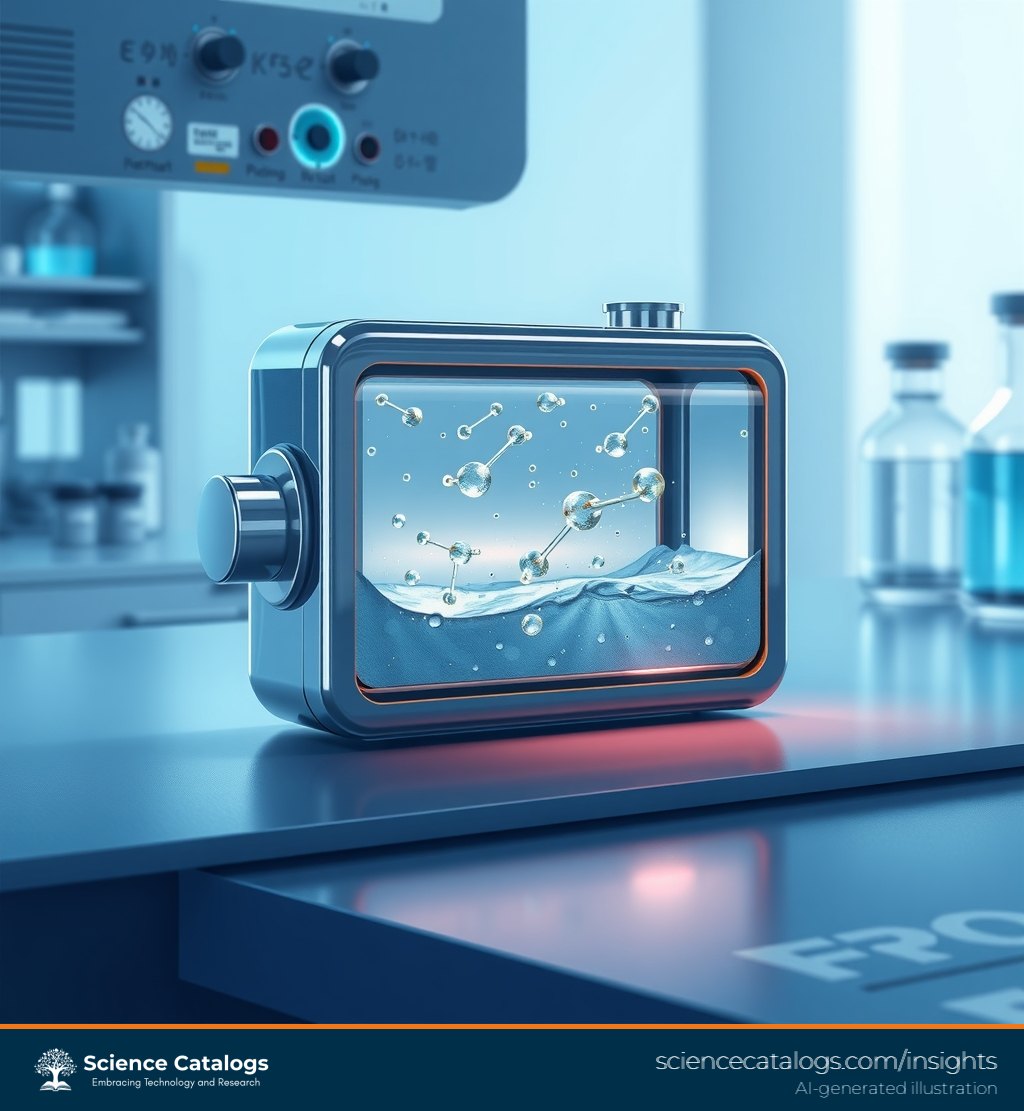
Anode-free sodium cells reach 1,400 cycles with a self-forming oligomer interphase
Researchers at Xi'an Jiaotong University, the Chinese Academy of Sciences and other institutions have designed an electrolyte that markedly extends t…

Teaching AI agents human decision flaws makes supply-chain simulations more realistic
AI agents built on large language models do not naturally make decisions the way people do, but they can be nudged closer. Babak Heydari and Hongan Z…

Trapped-ion atomic clocks could reveal quantum superposition of time, theory suggests
A team led by Kyushu University has proposed a way to test whether a clock can experience different rates of time at once. Their theoretical study, p…

Microplastics generate reactive radicals in water, a Nature study reports
Plastic is usually regarded as chemically stable, but a study in Nature suggests that this changes as it breaks into very small particles. Researcher…

European XFEL reliably delivers 30 keV X-ray laser pulses, extending its own record
A team from DESY and European XFEL has shown that the facility can reliably generate and transport X-ray laser pulses with a wavelength of about 0.04…

AI phrase suggestions speed up a noninvasive brain-computer speller in tests
Engineers at Rutgers University have built a noninvasive brain-computer interface, ChatBCI-Assist, that uses a language model to suggest words and wh…

Glacial lakes speed up ice loss, but climate and terrain still dominate
Glaciers that end in lakes thinned considerably faster than those ending on land or in the sea between 2000 and 2020, according to a worldwide mappin…
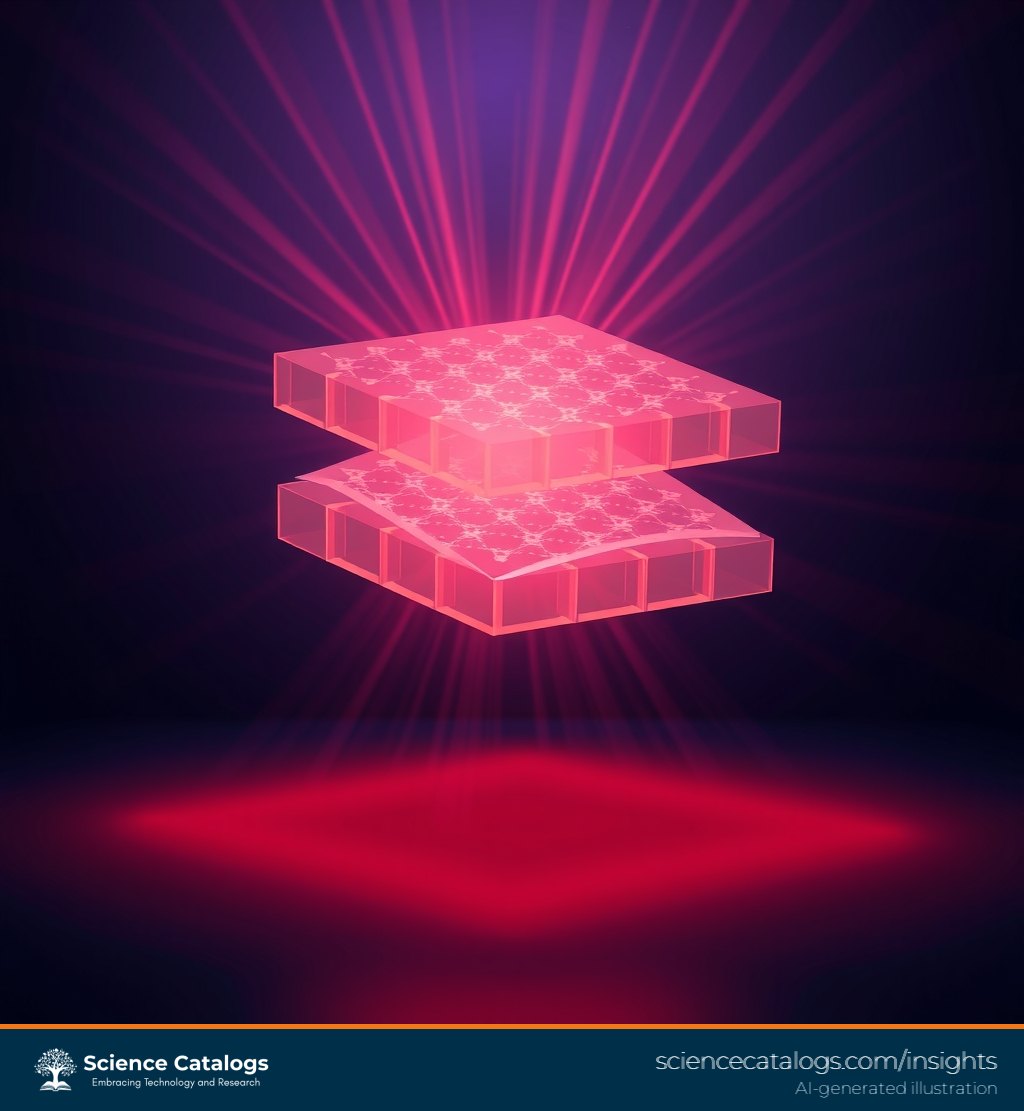
Twisting stacked rhenium dichalcogenide layers tunes infrared exciton emission
A team led by Prof. Jeongyong Kim of the Department of Energy Science has shown that twisting two atomically thin, anisotropic semiconductors against…
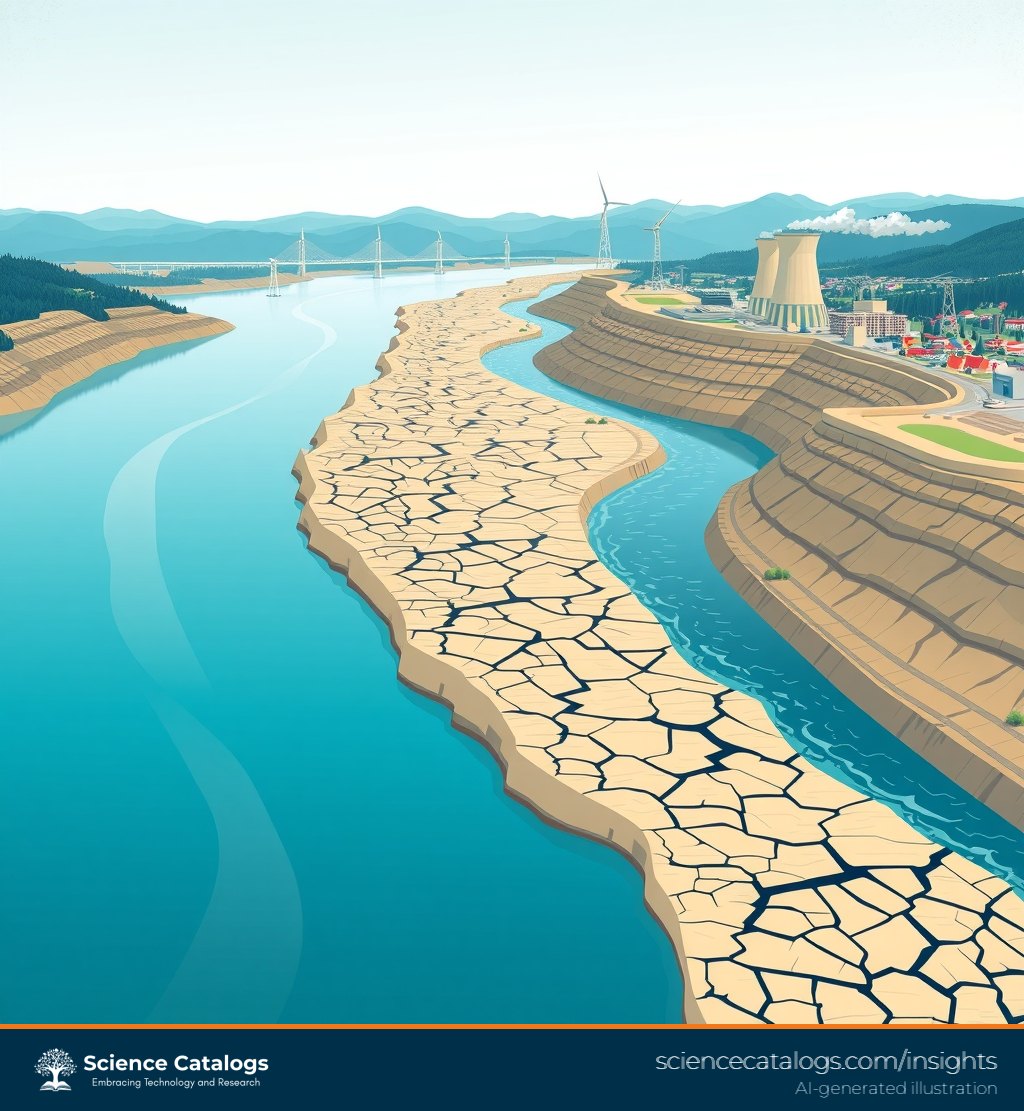
Efficiency, not new supply, shielded US Northeast and Midwest from drought stress
Water-saving technology and economic change have made the US Northeast and Midwest far less vulnerable to severe drought than they would otherwise be…

NEPTUNE model set to replace the US Navy's global weather forecasting system
The US Naval Research Laboratory (NRL) has developed NEPTUNE, an atmospheric prediction system that is set to take over from the Navy's current globa…
Niobium-tantalum sulfide alloy ink enables printed flexible supercapacitors
A team at Boise State University has produced the first aerosol-jet-printable ink made from a ternary transition metal dichalcogenide (TMD) alloy, (N…