Aim matters when using nuclear X-rays to deflect an asteroid, simulations show
 S
The direction from which a nuclear X-ray burst strikes an asteroid can change the resulting deflection several times over, according to a study in Icarus. Nathan Moore of Sandia National Laboratories and colleagues simulated irregularly shaped asteroids rather than spheres. In one case, the change in forward speed was 3.9 millimetres per second from one direction and only 0.8 millimetres per second from another.
Why shape matters
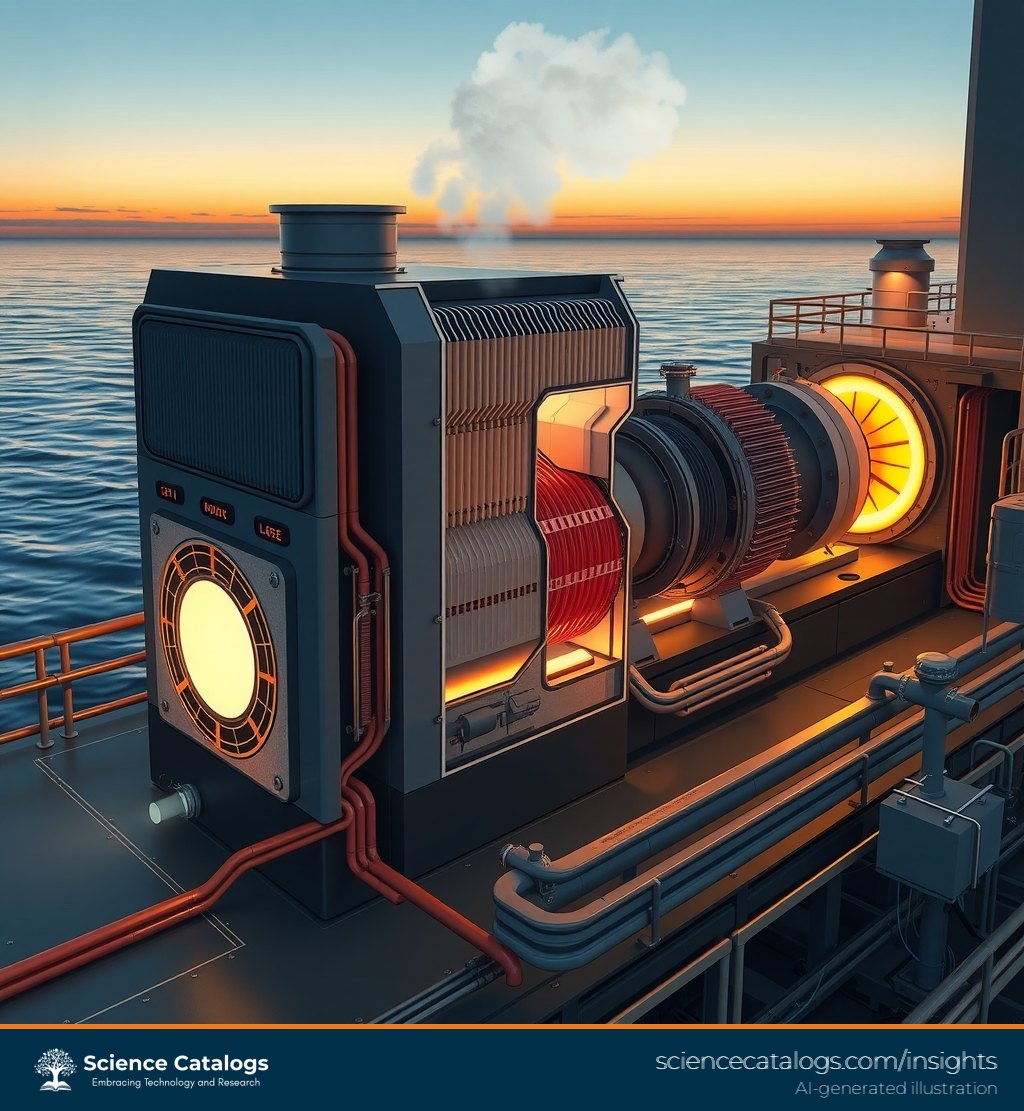
Nuclear deflection relies on X-rays from a blast near an asteroid. The radiation heats and vaporises a thin layer of surface material, and the escaping vapour pushes the body in the opposite direction. Many earlier calculations treated asteroids as spheres, which simplifies the mathematics but ignores ridges, hollows and other uneven features that affect how much material is vaporised and in which direction it leaves.
The new work shows how large that omission can be. The nearly fivefold difference in deflection velocity came from changing only the direction of the burst on the same object. For a second simulated asteroid, the change in spin rate differed by a factor of 17 depending on the direction of the radiation. Moore said the team expected aim to matter, but not to this degree.
Combining two simulation codes
Earlier models forced a compromise between representing a realistic shape and calculating the physics in fine detail, because doing both demanded impractical computing power. The Sandia team addressed this by linking two existing codes. ALEGRA is normally used for fast, high-energy experiments such as those on the Z machine, while SPARTA, a direct simulation Monte Carlo code, usually handles weaker and slowly evolving forces such as satellite drag. Moore described combining them as the key innovation, and reports that the new algorithm is more than 1,600 times faster than the older approach.
The work grew out of an earlier Z machine experiment that first demonstrated X-rays deflecting a small piece of asteroid material. The open question was how to scale that result up to a whole asteroid.
What the model can and cannot do
The software can rebuild an asteroid from 3D images gathered during spacecraft flybys. Users can then vary the yield of the explosion, its distance from the surface and the direction of the X-rays. The model produces a heat map of vaporised material and estimates the resulting push, the change in rotation and the surface damage.
Those outputs matter because a deflection mission would ideally shift an asteroid's path without splitting it into several fragments that could still threaten Earth. The current model has a clear limit here. It only treats the breakup of rocks at the surface, and it cannot yet predict whether the whole body would fracture. An intense X-ray burst triggers many interacting physical effects, so modelling full-body breakup will need further research, investment and more advanced computational tools.
Practical obstacles
The authors and Moore are careful about real-world use. The software needs reasonably accurate shape data from all directions, and a newly discovered asteroid on a collision course might not leave enough time to collect it. Delivering a nuclear device and placing it precisely relative to a moving target would also be very demanding.
Even so, the tool could narrow the uncertainty around one proposed defence strategy. In principle, planners could enter a shape and calculate the best yield, standoff distance and direction. Moore summarised the finding by saying that picking the right side matters a great deal.
The research was funded through Sandia's Laboratory Directed Research and Development programme. The paper is titled "Efficient computation of vapor ejecta over asteroid geometries during pulsed energy deflection" and lists Moore, Michael Gallis, D. Gregory Tipton, Zakari Eckert, Timothy Koehler, Kevin Long, Joel Clemmer, Kyle Cochrane, Brian Franke and Mekiel Olguin as authors. Future work will focus on predicting whole-body breakup, which is the main gap before the simulations could inform mission design with confidence.
Source: A nuclear blast could save Earth from an asteroid, but there's a catch (ScienceDaily: top science, 8 November 2026).
Image: AI-generated illustration.
Working on this topic? Find a journal for your research or join the discussion on Scholars Post.