
Research perspectives
Life Sciences
Research in biological systems, biotechnology, ecology, agriculture, and life processes.
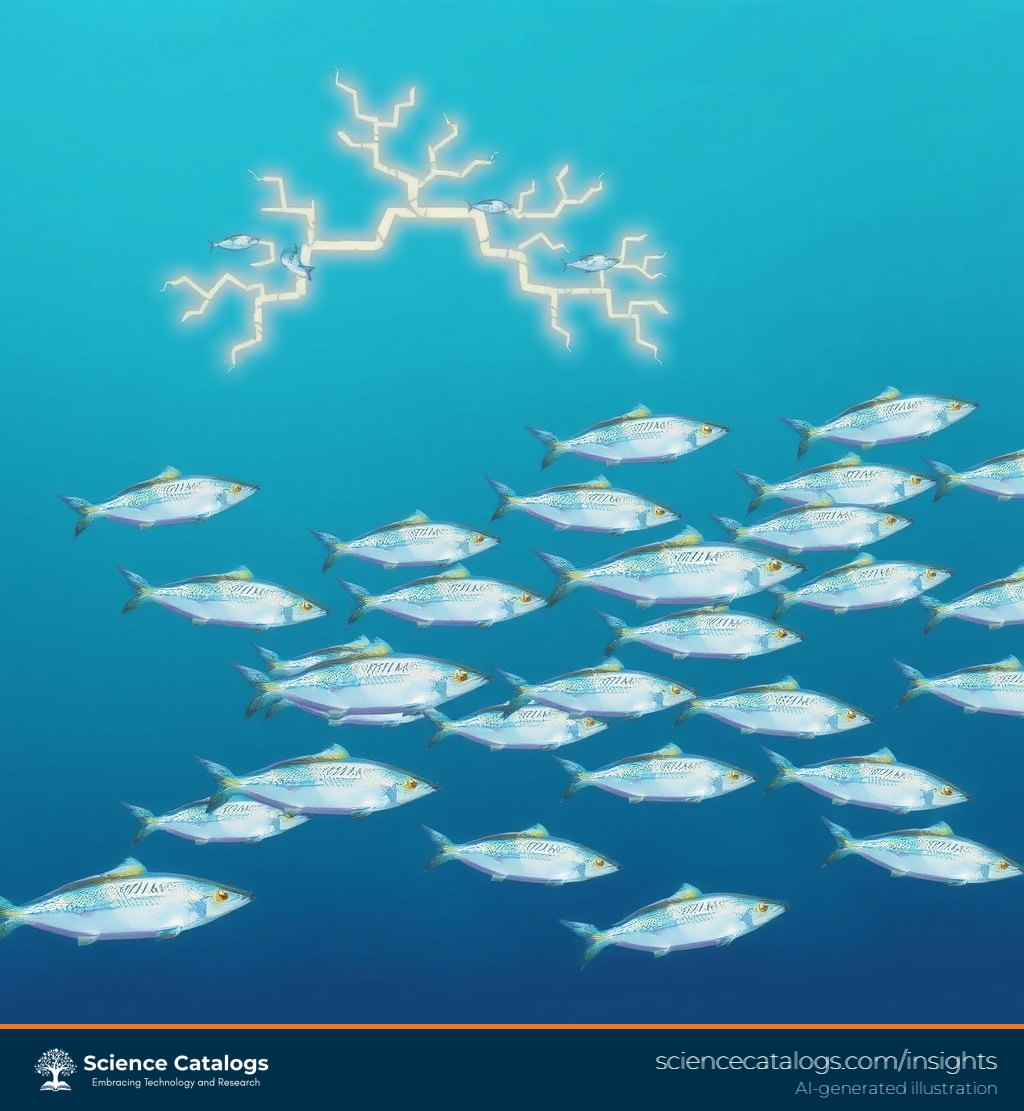
Machine learning traces how fish schooling arose about 60 times and was lost about 320
Schooling has evolved independently about 60 times in ray-finned fishes over the past 350 million years, and has been lost about 320 times, according…
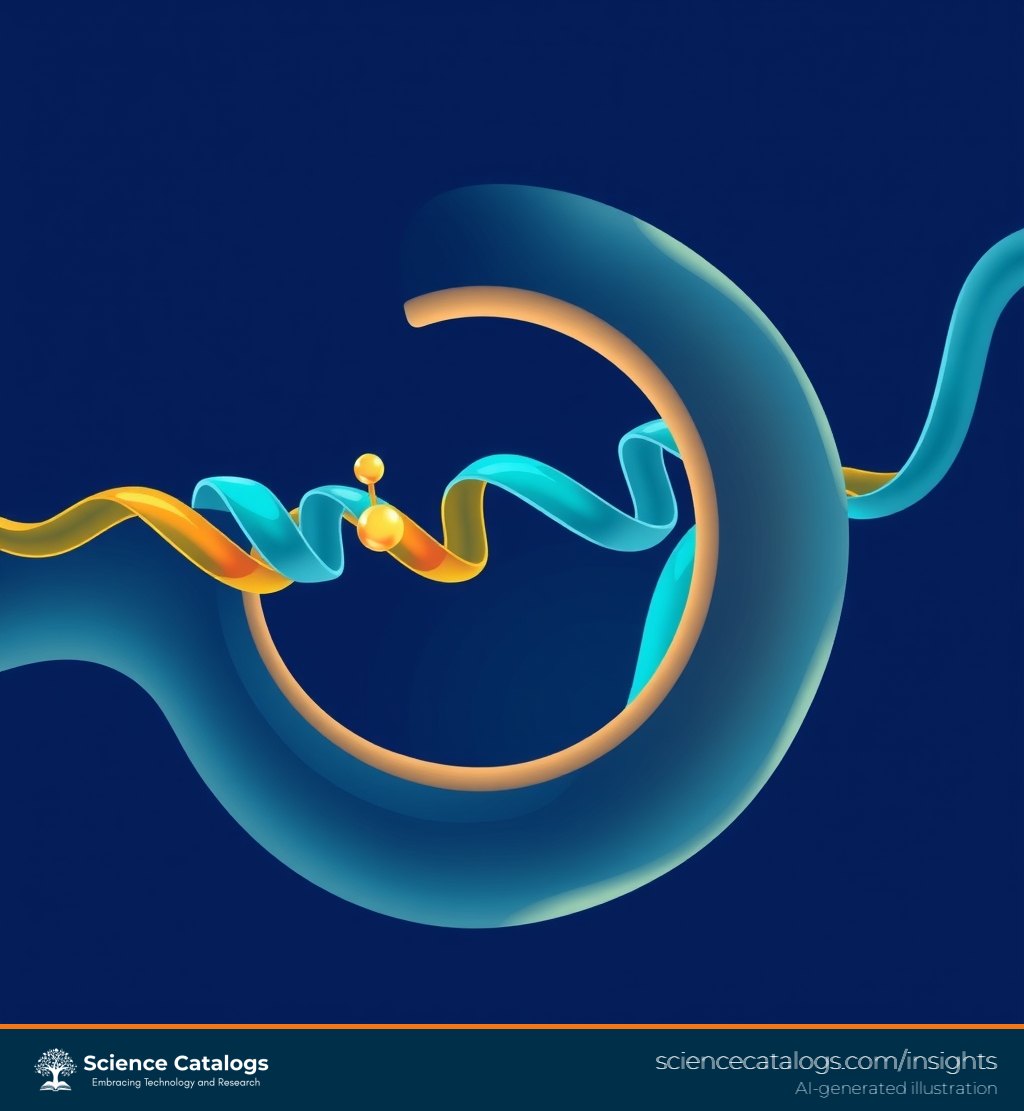
Cryo-EM structures reveal how the IL-36 receptor switches on inflammation
Researchers at VIB and Ghent University have determined how the IL-36 receptor, a key driver of inflammation, is activated at the molecular level. Th…
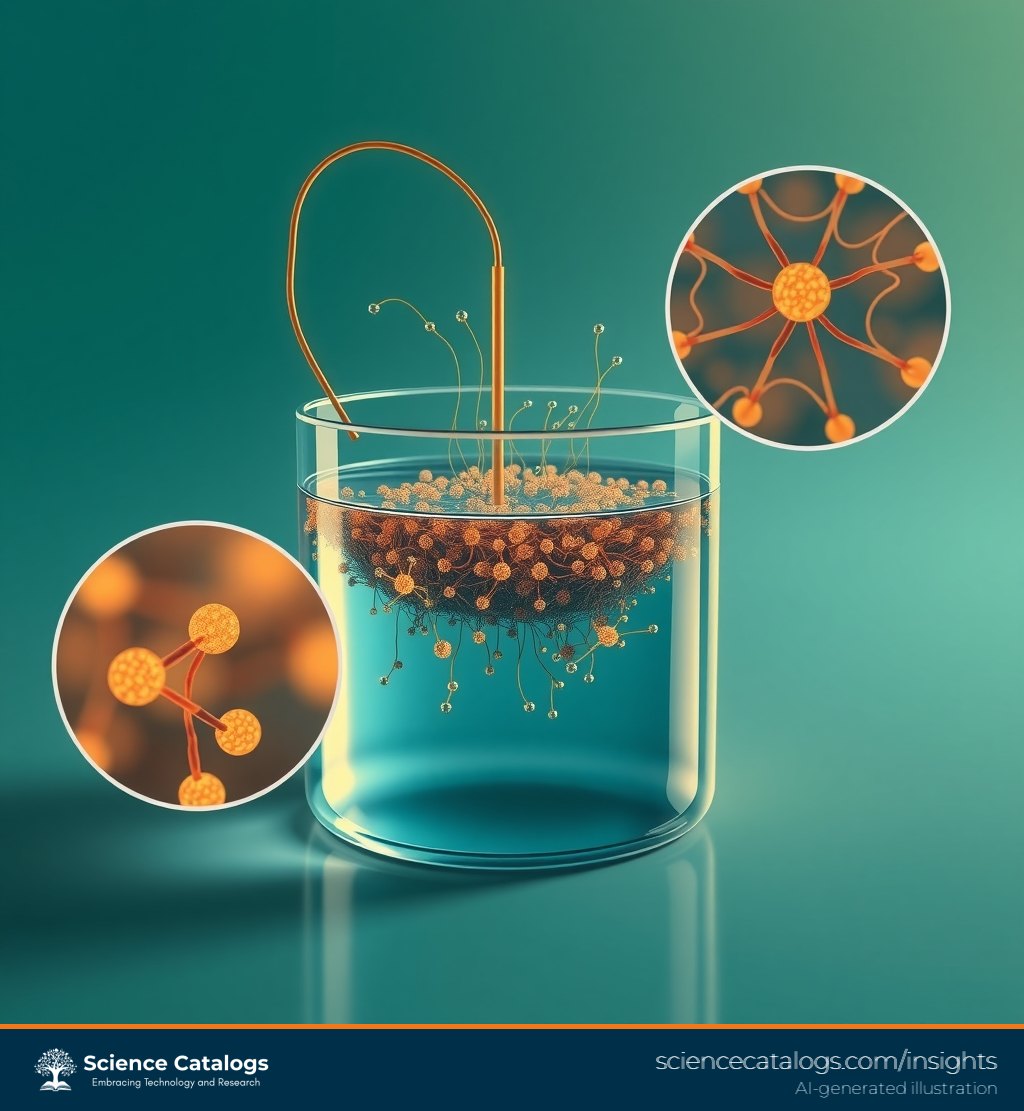
Methane-eating archaea grow on electrodes and form conductive nanowires
Anaerobic methanotrophic archaea (ANME), which consume methane without oxygen, build electrically conductive nanowires and use them to pass electrons…
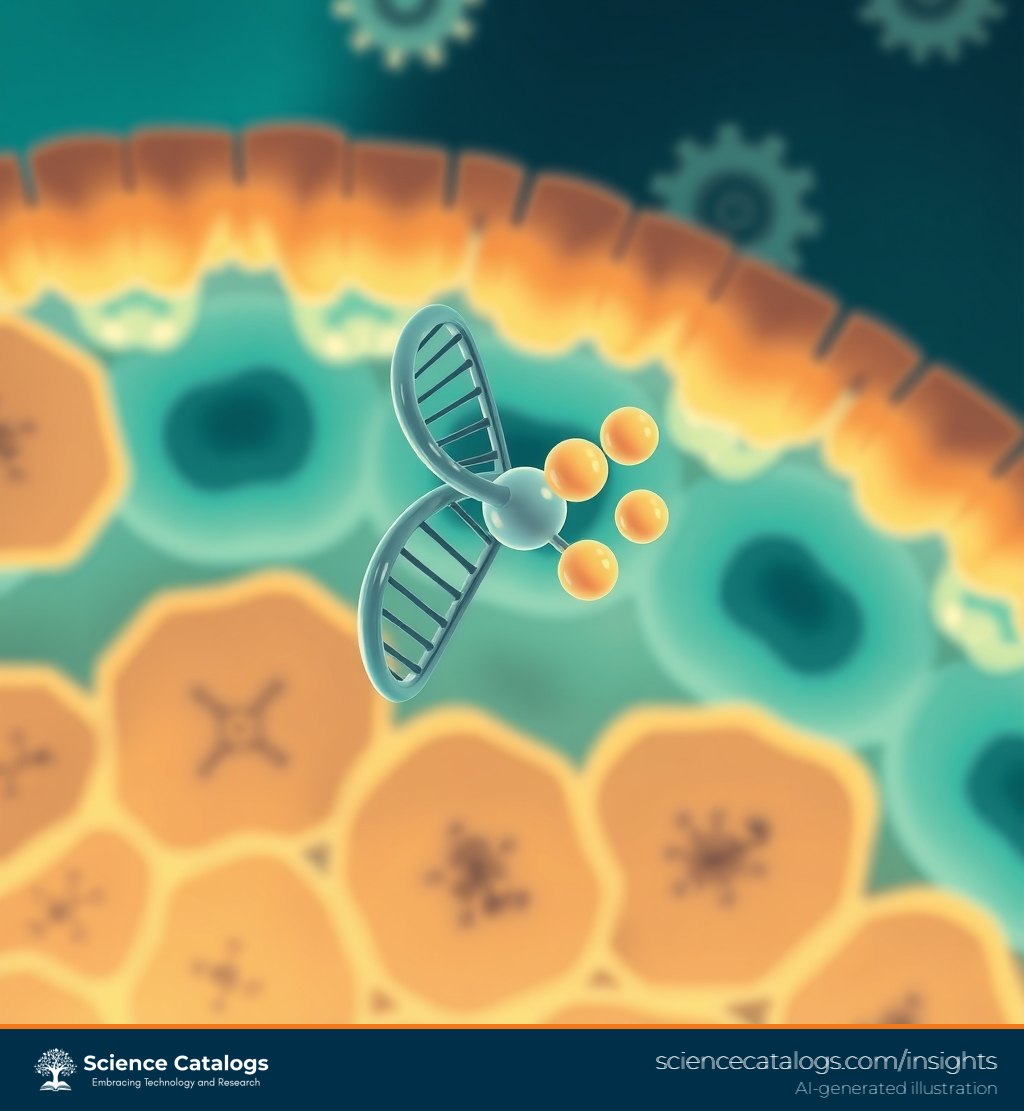
A three-amino-acid histone variant is needed for normal sperm development in mice
A histone variant that differs from conventional H3.3 at only three amino acids is required for normal sperm development in mice, according to resear…
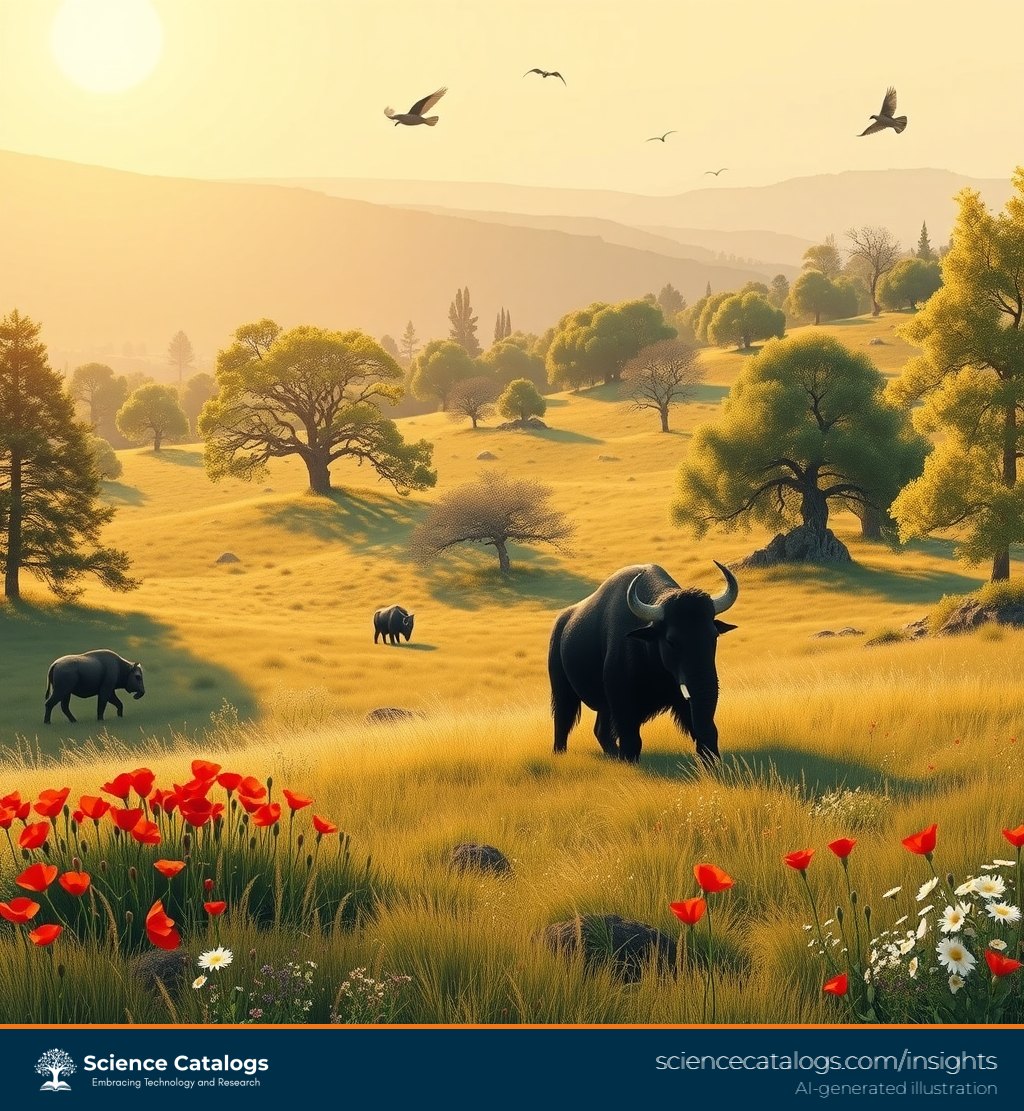
Europe's temperate landscapes were open mosaics, not dense forest 20-million-year ago: review finds
Europe's natural landscape was for more than 20 million years a shifting mosaic of scattered trees, open woodland, grassland and flowering plants, ra…
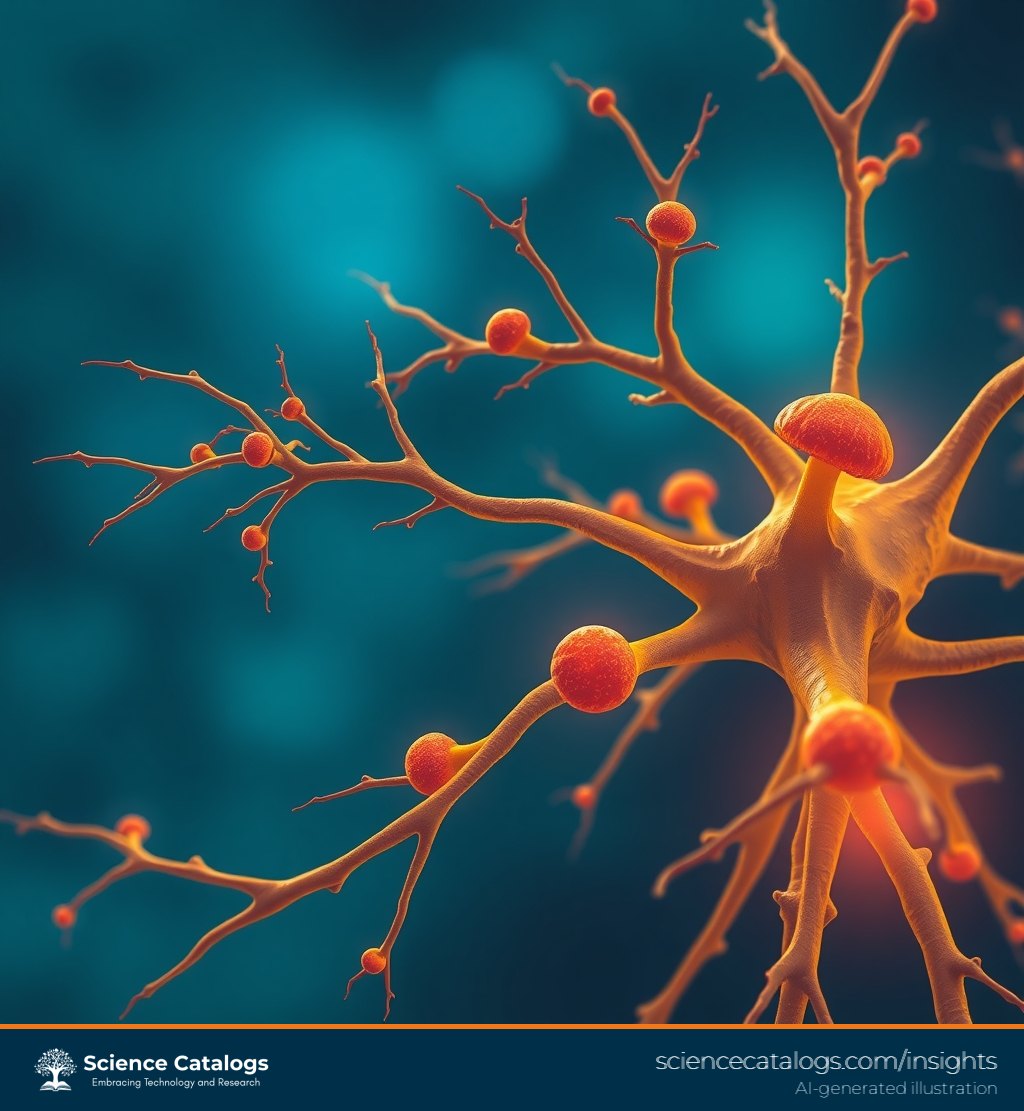
Psilocybin's effect on brain connections separated from a psychedelic marker in mice
Psilocybin triggers rapid growth and maturation of synaptic connections in the mouse cortex, while also pruning some older ones, according to researc…
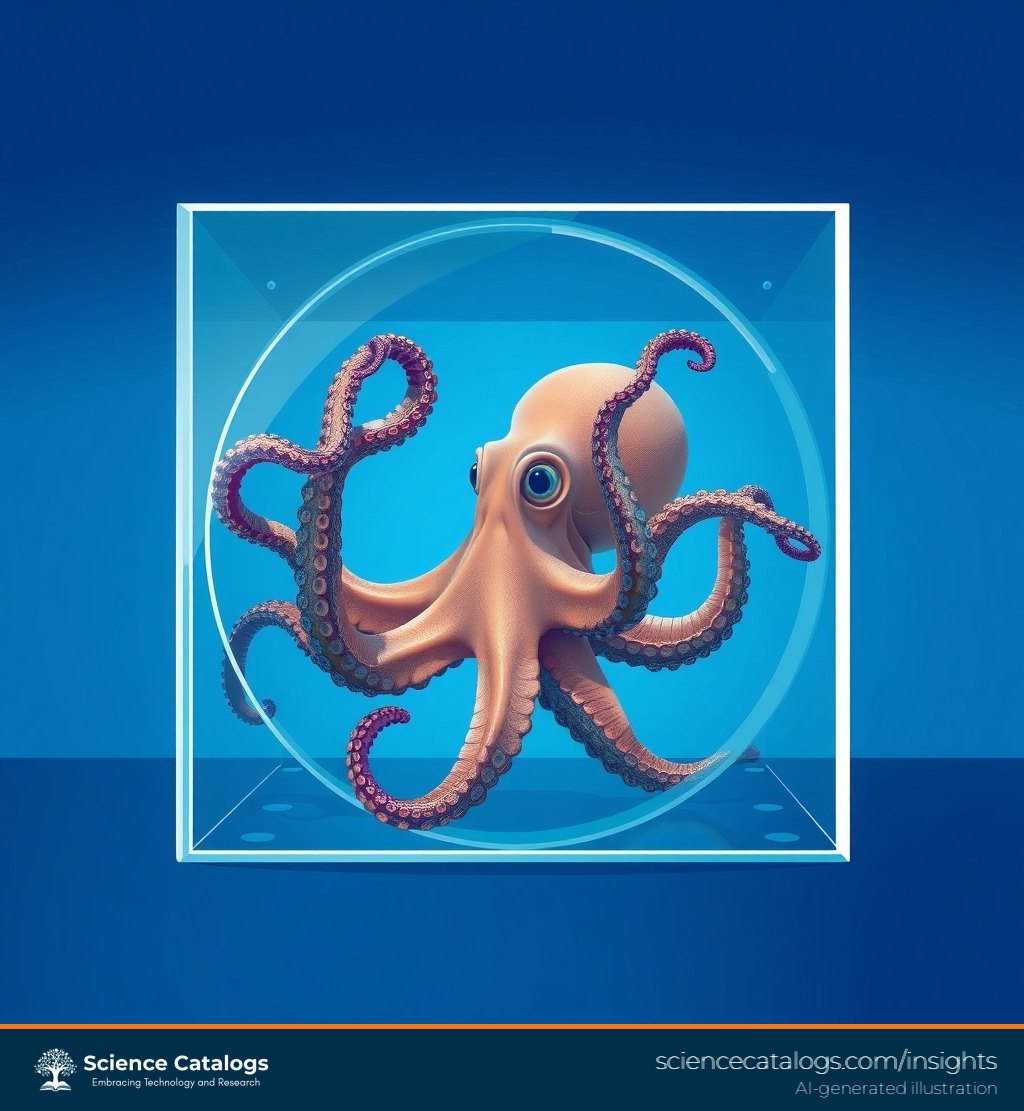
Octopuses squeeze through tight holes using a fixed sequence of arm movements
Octopuses follow a consistent, stepwise routine when escaping through small openings, according to a study in the Journal of Experimental Biology. Mi…
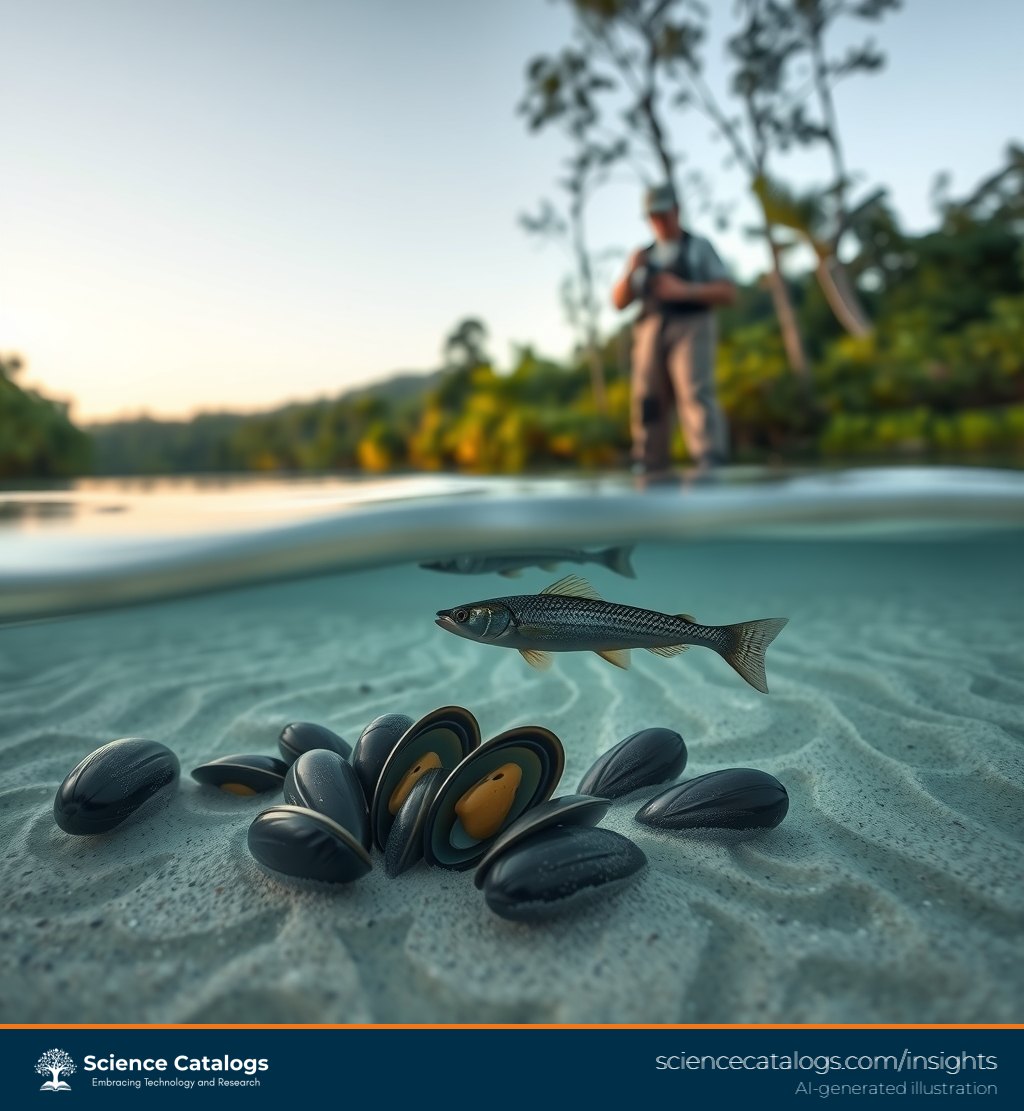
Mussel surveys and a rediscovered mullet expand Central American freshwater records
Researchers working in Honduras and El Salvador have published the most extensive freshwater mussel surveys yet carried out in either country, and ha…
Map of essential-gene interactions in tuberculosis bacterium points to new drug pairings
Researchers at Rockefeller University have built what they describe as the most comprehensive map yet of how essential genes interact in Mycobacteriu…
ASPM mutations disrupt human-specific neural stem cells, explaining microcephaly
Researchers at VIB and KU Leuven have shown how mutations in the ASPM gene interfere with a population of neural stem cells that is especially promin…
PD-1 disrupts CD28 signalling condensates, guiding redesign of CAR-T cells
Researchers in China have shown that the costimulatory receptor CD28 forms signalling condensates with the kinase Lck, and that the inhibitory recept…
Cryo-EM maps how p97 and its partner proteins coordinate protein disposal
Researchers at the University of Münster, working with colleagues at the University of Duisburg-Essen, have visualised how the protein machine p97 co…