Mussel surveys and a rediscovered mullet expand Central American freshwater records
 S
Researchers working in Honduras and El Salvador have published the most extensive freshwater mussel surveys yet carried out in either country, and have found a fish in a Honduran river where it had last been recorded in 1946. The three papers, in Check List and Zootaxa, combine fieldwork with DNA analysis to build occurrence records for a region whose rivers and lakes are poorly documented.
Why the baseline matters
The work came from collaboration between the IUCN Species Survival Commission's Center for Species Survival Freshwater, hosted by Shedd Aquarium, the commission's Mollusk Specialist Group, and partners in the two countries. Freshwater mussels are long-lived animals that strain particles from the water, recycle nutrients and help hold sediment in place. Worldwide, about 45% of species are assessed as near threatened, threatened or extinct. In Central America, even the basic question of which species occur where has gone largely unanswered for decades.
Dr Yasmín Quintana, manager of the IUCN centre and a co-author of all three studies, argues that conservation action depends on this kind of inventory, since managers need to know what lives in a habitat and what threatens it.
Honduras: patchy populations, two new national records
A team led by Dilenia Martínez at the Instituto de Investigación en Ciencias Biológicas y Ambientales de Honduras (IBIOAH) sampled 32 sites across rivers, lakes and lagoons. They confirmed five mussel species, two of them new records for the country. Mussels were unevenly distributed, and the species present differed between Caribbean and Pacific drainages. Genetic analysis also left some questions about how certain populations should be classified, which the authors flag as targets for later taxonomic work.
El Salvador: invaders and a resolved identification problem
José Enrique Barraza of the country's Ministry of Environment and Natural Resources (MARN) led a survey of 35 sites across 24 water bodies. It is described as the broadest assessment of the country's mussels so far. It confirmed two native species and one non-native species.
The survey also recorded the continued spread of the invasive Asian clam. It identified a self-sustaining population of a non-native Pacific pond mussel as well. In addition, DNA data settled a long-running uncertainty over the identity of two native mussels, which should make field identification more reliable in future.
Barraza said MARN's freshwater bivalve programme will keep monitoring local waters, relocate vulnerable animals and extend environmental education.
A mullet absent from the record for eight decades
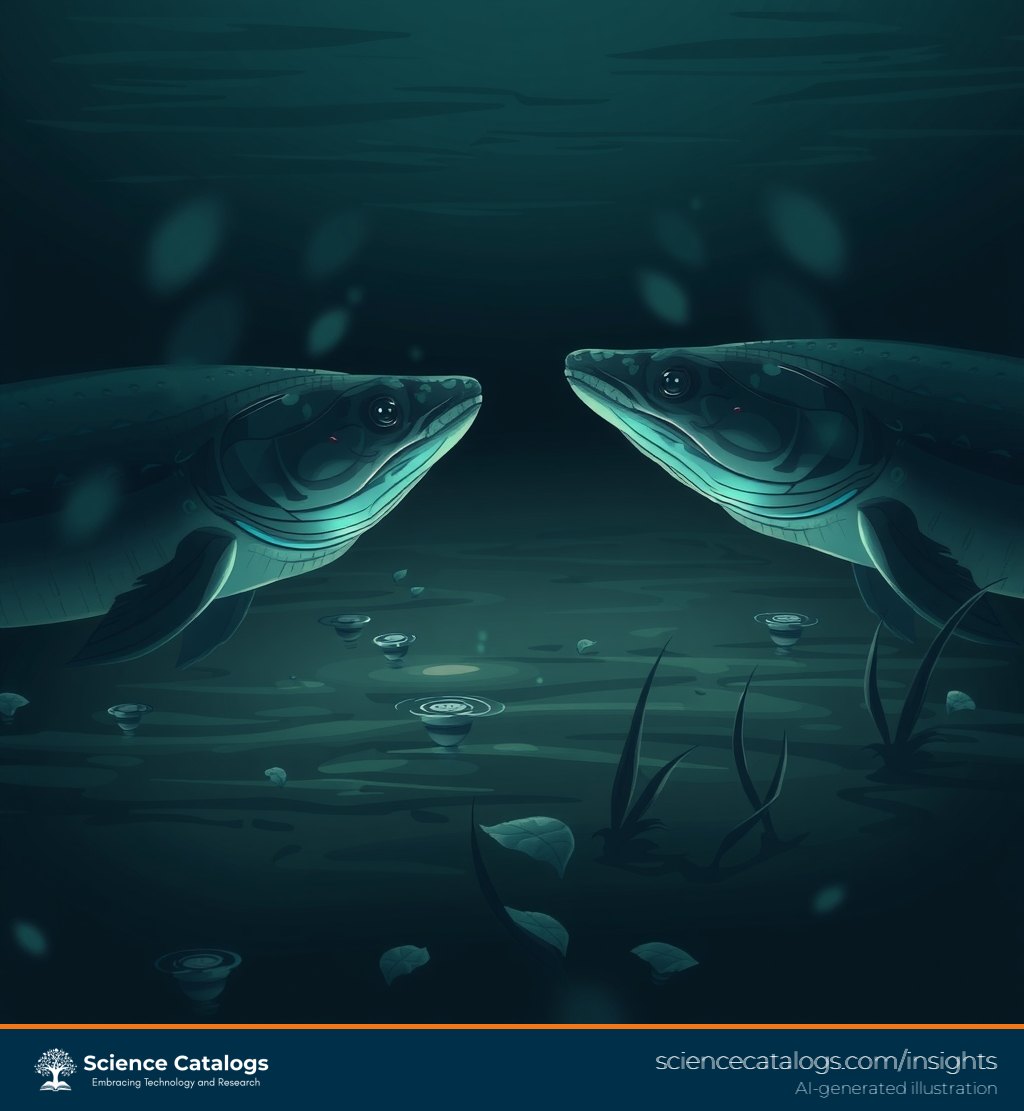
The Zootaxa paper, led by Wilfredo Matamoros of the Universidad de Ciencias y Artes de Chiapas and IBIOAH, concerns the mountain mullet (Dajaus monticola). The species is widespread on Honduras's Atlantic side. On the Pacific slope, however, the only earlier record from the Choluteca drainage was a single specimen collected in 1946.
During fish sampling in 2026, run alongside the mussel work, the team caught a juvenile in the lower Choluteca River. One young fish shows that the species still occurs there, but it says little about how many individuals remain or whether the population is stable. The authors note that the species is sensitive to dams and fragmented rivers, and that a gap this long shows how easily such populations can go unnoticed without regular monitoring.
What the data are for
The occurrence records, distribution maps and genetic reference data are intended for IUCN Red List assessors and freshwater managers, who have often had to work from sparse or outdated information in this region. The surveys also give planners in both countries a current view of where native mussels persist, where invaders are advancing and which populations may need closer attention.
The studies are inventories rather than assessments of population trends, and the unresolved classification questions in Honduras mean some identifications remain provisional. Repeat surveys and further genetic work would be needed to track change over time and to settle those taxonomic questions.
Source: New research fills critical gaps in Central America's freshwater biodiversity knowledge (Phys.org, 5 November 2026).
Image: AI-generated illustration.
Working on this topic? Find a journal for your research or join the discussion on Scholars Post.