Enzyme METTL13 helps cancer cells make KRAS and other growth proteins
 S
Researchers at The University of Texas MD Anderson Cancer Center have identified a previously unknown mechanism that lets cancer cells selectively boost production of proteins that drive tumour growth, including KRAS. The mechanism depends on an enzyme called METTL13. Removing it slowed tumour growth in preclinical models and restored sensitivity to a KRAS inhibitor.
A bottleneck in reading genetic instructions
KRAS is among the most frequently mutated cancer genes and contributes to many lung and pancreatic cancers. Drugs that target KRAS have helped some patients, but tumours often adapt and become resistant over time.
Many cancer-driving genes, KRAS among them, yield messenger RNA that is rich in particular codons, the three-letter units that specify how a protein is assembled. Structural, chemical and metabolic barriers can make these codons harder for the protein-making machinery to read. The new work addresses how cancer cells overcome that difficulty.
What METTL13 does
The team found that METTL13 adds a methyl group, a small chemical tag, to one of the proteins involved in protein synthesis. According to the study title, that protein is eEF1A. The modification helps cancer cells read the demanding codons more efficiently, so they can make larger quantities of growth-promoting proteins.
The effect was selective rather than general. METTL13 did not raise production of proteins across the board. It enhanced output of only a subset, many of which support cancer growth and survival. This selectivity is what makes the pathway interesting as a possible therapeutic target, since a general boost to protein synthesis would be a less specific lever.
Effects on tumours and drug resistance
Reducing or removing METTL13 lowered levels of KRAS and other cancer-driving proteins and slowed tumour growth in several preclinical cancer models. In KRAS-mutant lung cancer models, this included tumours that had already become resistant to the KRAS inhibitor sotorasib. In these, loss of METTL13 slowed growth, restored sensitivity to treatment and significantly extended survival.
The researchers also noted that patients whose tumours showed higher METTL13 activity tended to respond less well to KRAS inhibitors. This observation is consistent with a role for the pathway in resistance, though it does not by itself establish cause.
Why it matters and what comes next
Current KRAS inhibitors act on the KRAS protein after it has been made. Targeting METTL13 would instead act upstream, limiting how much KRAS protein cancer cells produce in the first place. That could complement existing drugs or help counter resistance.
The results are preclinical and need further validation before any clinical application. The group, co-led by Pawel Mazur, associate professor of experimental radiation oncology, with collaborators at other institutions, plans to study in more detail how METTL13 controls protein production and to explore ways of inhibiting it safely. Further work will test whether METTL13 levels could help predict which patients are most likely to benefit from KRAS-targeted therapy.
The study, led by first author Shuo Liu and colleagues, is titled "Methylated eEF1A selectively decodes mRNA to shape cancer proteomes" and appears in Nature Cell Biology (DOI: 10.1038/s41556-026-02085-6).
Source: Newly discovered pathway fuels production of cancer-driving proteins (Medical Xpress, 1 November 2026).
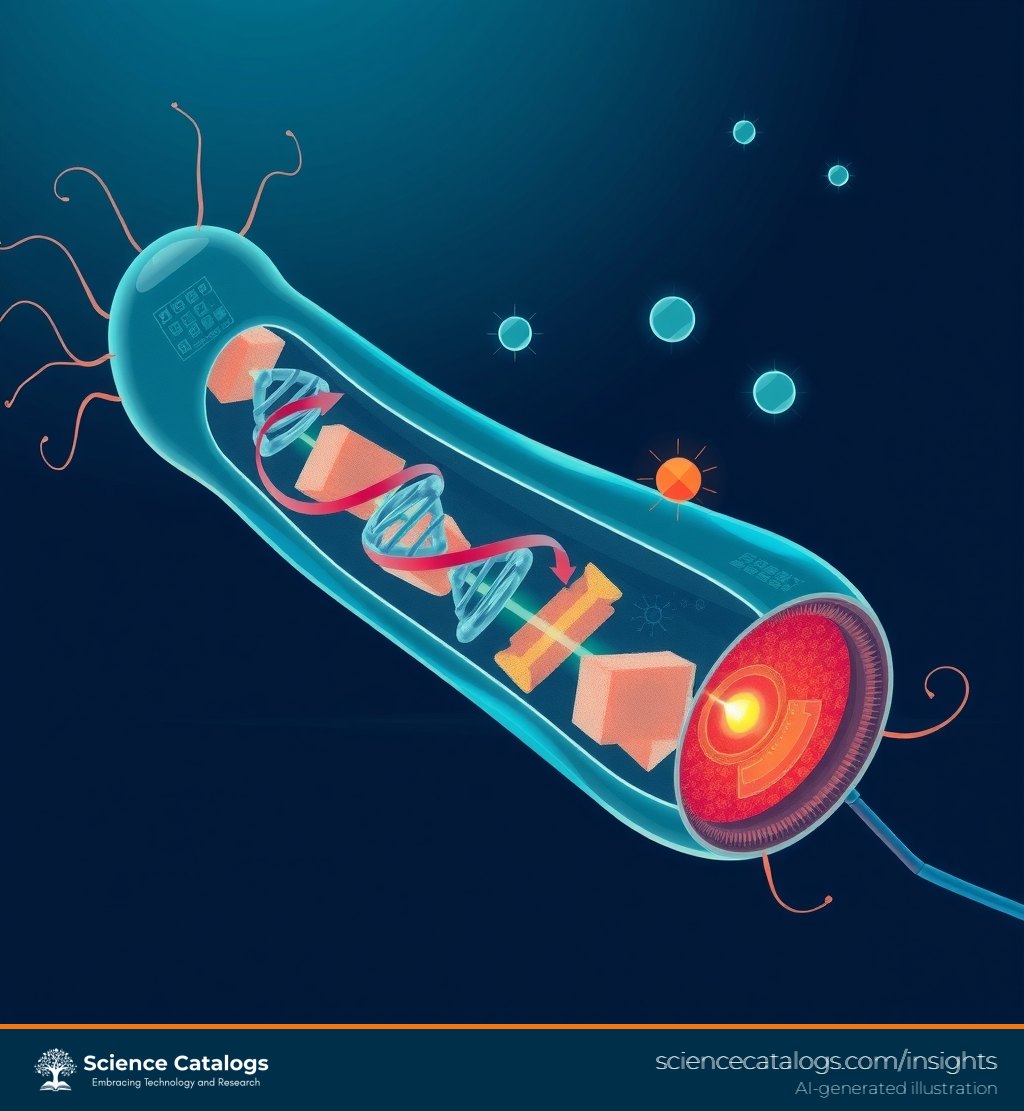
Image: AI-generated illustration.
Working on this topic? Find a journal for your research or join the discussion on Scholars Post.