Type VI retrons: a bacterial defence that uses DNA to switch a toxin on
 C
A group of bacterial immune systems called type VI retrons works in almost the opposite way to other retrons, according to a study in Molecular Cell. Researchers at Gladstone Institutes found that single-stranded DNA does not restrain a toxin in these systems. It switches on toxin production once a virus attacks, and the infected cell then dies.
Reversing the standard retron model
Retrons help bacteria resist phages, the viruses that infect them. In the retrons studied previously, a toxic protein is already present in healthy cells, and short pieces of single-stranded DNA keep it in check. Phage infection disrupts that arrangement, the toxin acts, and the infected cell dies. This sacrifice stops the virus from replicating and protects neighbouring cells.
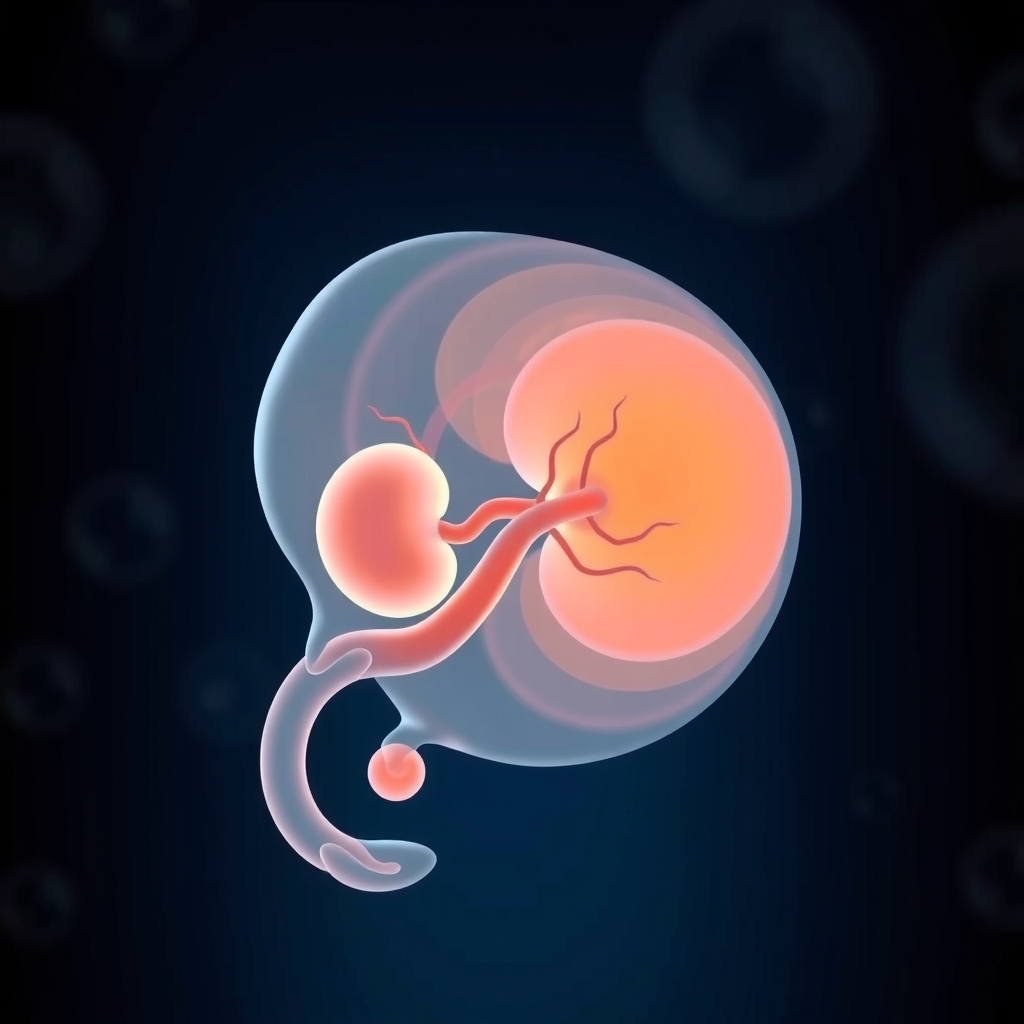
Type VI retrons do not fit this pattern. In uninfected cells they make very little DNA and no noticeable amount of toxin. When a phage arrives, DNA production rises sharply. The DNA then interacts with an RNA molecule that had been blocking synthesis of the toxin. Once that block is lifted, the cell rapidly makes the toxin, which the authors describe as an exceptionally small protein that inserts into the cell membrane. The resulting loss of membrane stability kills the cell.
Why the system looked broken
The team, led by senior author Seth Shipman and lead author Karen Zhang, first became suspicious because the usual marker of retron activity was missing. Retrons are normally detected in uninfected cells by looking for their single-stranded DNA, and none could be found for type VI. Yet bacteria carrying these systems still defended themselves against phages, so the systems were clearly functional.
Standard retron experiments repeatedly failed, and the researchers had to devise new approaches. A method called Spacer-seq, previously developed in Shipman's laboratory, finally detected the DNA. It uses components of CRISPR-Cas, another bacterial immune system, to record molecular activity inside cells. It revealed a very low level of DNA production in uninfected cells, which earlier tests had missed. Further experiments confirmed that production climbs substantially only after a phage enters the cell.
Potential applications
Retrons are of interest to genome-engineering researchers because they can efficiently produce single-stranded DNA, which could be used to edit DNA in human cells. Shipman's group and others are exploring whether this could correct disease-causing mutations accurately. The authors suggest the type VI mechanism offers further design ideas, and two directions are under investigation in the laboratory:
- Molecular sensors and switches: a DNA- and RNA-encoded system that senses a trigger and turns gene expression on could be adapted to control when particular genes are active.
- Antimicrobial agents: because the small toxins disrupt bacterial membranes, they might be developed into treatments aimed at harmful bacteria.
The source stresses that these applications remain in development, and no results from them are reported. The work itself describes a natural mechanism in bacteria, not a therapy or a validated editing tool.
Open questions
The study also raises evolutionary questions. It is unclear how such an elaborate mechanism arose, and whether type VI retrons are older or newer than other retron types, or a transitional form between them. Zhang noted that these questions would be interesting to explore.
The paper, titled “Reverse transcribed ssDNA derepresses translation of a retron antiviral protein”, appeared on 13 October 2026. Co-authors came from Gladstone, the University of Copenhagen and the University of California, San Francisco. Funders included the National Science Foundation, the European Research Council, the Novo Nordisk Foundation and the Lundbeck Foundation, among others.
For researchers working on phage defence, the findings show that the absence of a conventional molecular signature does not mean a defence system is inactive. For synthetic biologists, they add an unusual regulatory design to the toolkit of natural components.
Source: Scientists discover a bacterial defense so strange they thought it was broken (ScienceDaily: top science, 31 October 2026).
Image: AI-generated illustration.
Working on this topic? Find a journal for your research or join the discussion on Scholars Post.