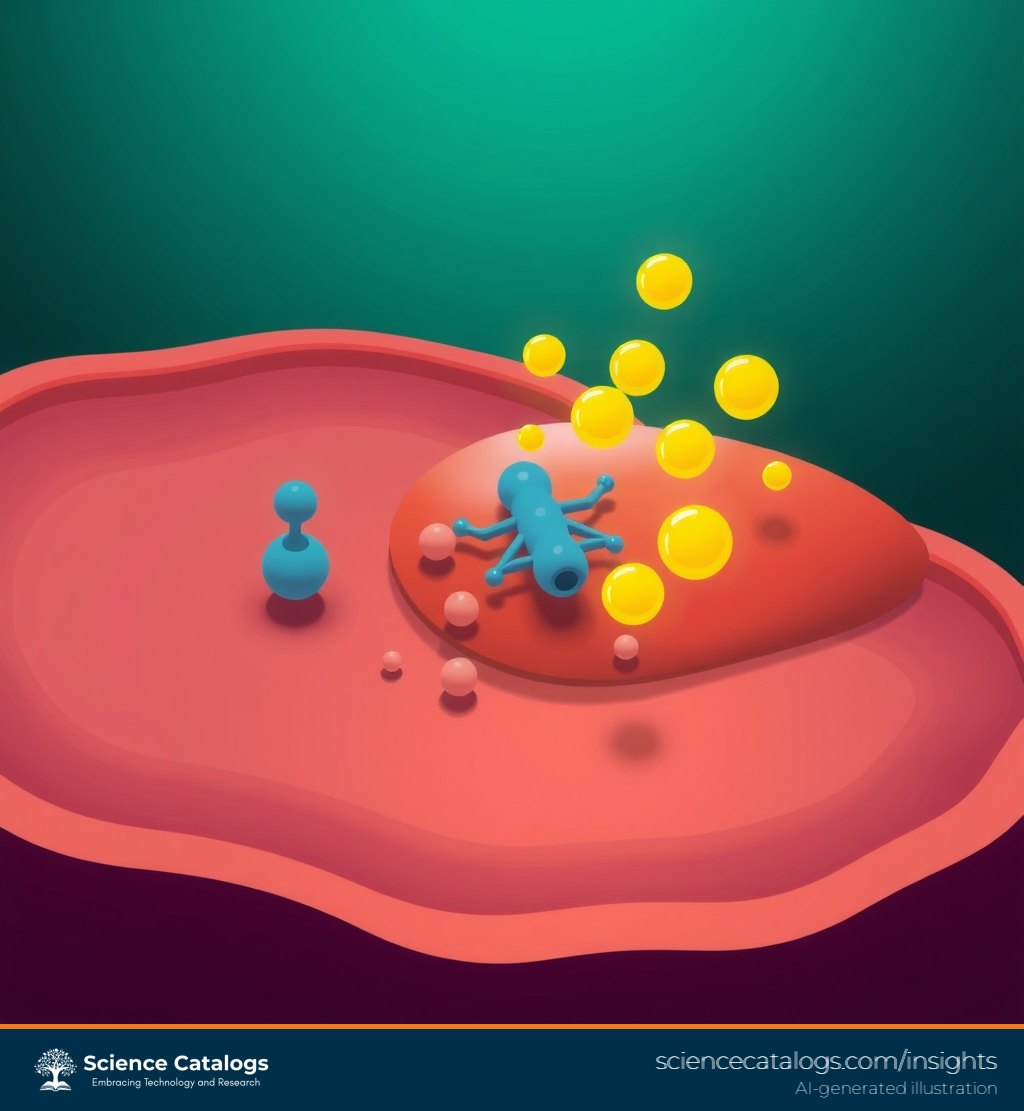
Daily peanuts for 16 weeks improved regional brain insulin responsiveness in older adults
 S
Eating 60 grams of unsalted, skin-roasted peanuts a day for 16 weeks improved insulin responsiveness in several memory-related brain regions of healthy older adults. The randomised crossover trial was run by researchers at Maastricht University Medical Center and reported in Food & Function. It extends an earlier analysis of the same intervention, which found gains in brain blood flow and verbal memory.
Why brain insulin matters
Insulin is best known for controlling blood glucose, but it also acts in the brain. There it supports the growth, survival and communication of nerve cells, and so contributes to memory and other cognitive functions. Healthy insulin signalling has also been discussed as protective against processes associated with Alzheimer's disease.
The senior author, Dr Peter Joris of the Department of Nutrition and Movement Sciences at NUTRIM, notes that the ageing brain may respond less well to insulin, a change that has been linked to cognitive decline. The question was whether a simple dietary change could shift that responsiveness.
How the trial worked
The study enrolled 31 healthy adults aged 60 to 75. In a crossover design, each participant spent 16 weeks eating peanuts daily and 16 weeks avoiding them, with the order switched at the midpoint. Each person therefore acted as their own comparison.
During the peanut phase, participants received premeasured packets of skin-roasted peanuts. They were asked to eat them in the morning or afternoon, either all at once, spread through the day or as part of meals.
Brain responses were assessed with arterial spin labelling MRI, which maps blood flow in different regions. Insulin responsiveness was judged from the change in regional cerebral blood flow after insulin was given through the nose. The team also used abdominal MRI to measure liver fat (intrahepatic lipid content) and tested cognition with the computerised CANTAB battery.
What the researchers found
After the peanut phase, insulin responsiveness was higher in a cluster of right-hemisphere regions: parts of the lingual gyrus, hippocampus, parahippocampal gyrus and posterior cingulate gyrus. All of these contribute to memory-related processes.
The result builds on a 2025 paper from the same group in Clinical Nutrition. That analysis reported a 3.6% increase in overall cerebral blood flow and a 5.8% improvement in verbal memory after 16 weeks of peanut intake.
The authors suggest that improved regional insulin responsiveness may help explain the cognitive benefits. The source does not report liver-fat or CANTAB results for this paper, so those outcomes cannot be assessed here.
Possible mechanisms and caveats
Joris points to several components of peanuts that may act together rather than a single nutrient: unsaturated fats, fibre, vitamins, minerals and bioactive phytochemicals. Peanuts are also rich in L-arginine, a precursor of nitric oxide, which has been reported to support learning and memory. These mechanisms remain proposals; the trial was not designed to separate them.
Several limitations apply. The sample was small and consisted of healthy people, so the findings may not extend to those with cognitive impairment, diabetes or other conditions. Regional blood-flow change after intranasal insulin is an indirect proxy for brain insulin signalling. The intervention also tested one food in one form, and the comparison was with no peanuts rather than with another snack.
The Peanut Institute Foundation funded the work. The researchers state that it played no part in the study design, conduct, analysis, interpretation or writing of the manuscript.
What comes next
Larger and longer trials would show whether the regional changes persist and whether they translate into slower cognitive decline. Studies in people with insulin resistance or mild cognitive impairment would test whether the effect holds where the need is greatest. Comparisons with other nuts or snack foods could clarify whether peanuts are distinctive or part of a broader pattern linked to nutrient-dense plant foods.
Source: Scientists discover a surprising brain benefit of eating peanuts every day (ScienceDaily: health and medicine, 1 November 2026).
Image: AI-generated illustration.
Working on this topic? Find a journal for your research or join the discussion on Scholars Post.