Chlorpyrifos exposure linked to 2.5-fold Parkinson's risk, with a cellular mechanism
 S
People with prolonged residential exposure to the pesticide chlorpyrifos had more than 2.5 times the risk of Parkinson's disease compared with unexposed people, according to researchers at UCLA Health. Experiments in mice and zebrafish then suggested a mechanism: the chemical appears to disrupt autophagy, the cell's routine system for clearing damaged proteins. The work appears in Molecular Neurodegeneration.
Matching pesticide records to where people lived
The team analysed data from 829 people with Parkinson's disease and 824 people without it. All were participants in the university's Parkinson's Environment and Genes study, which examines how environmental exposures and inherited factors shape the risk of the disease.
To estimate exposure, the researchers combined California's detailed pesticide application records with each person's history of home and workplace addresses. This gave an approximate measure of how much chlorpyrifos individuals could have encountered over the years. Those with long-term residential exposure showed the more than 2.5-fold higher risk.
As with any study of this design, the result shows an association and cannot on its own prove causation. Exposure was also inferred from location rather than measured directly in each person.
Parkinson's-like changes in exposed mice
To test biological plausibility, the researchers exposed mice to chlorpyrifos as an aerosol for 11 weeks, an approach intended to mimic inhalation in everyday settings. The animals developed movement problems and lost dopamine-producing neurons, the cell population whose degeneration is central to Parkinson's disease.
Their brains also showed inflammation and abnormal accumulations of alpha-synuclein. This protein is normally present in nerve cells, but it can form clumps that are closely associated with Parkinson's and are a major focus of research into why neurons deteriorate.
A faulty cleanup system in neurons
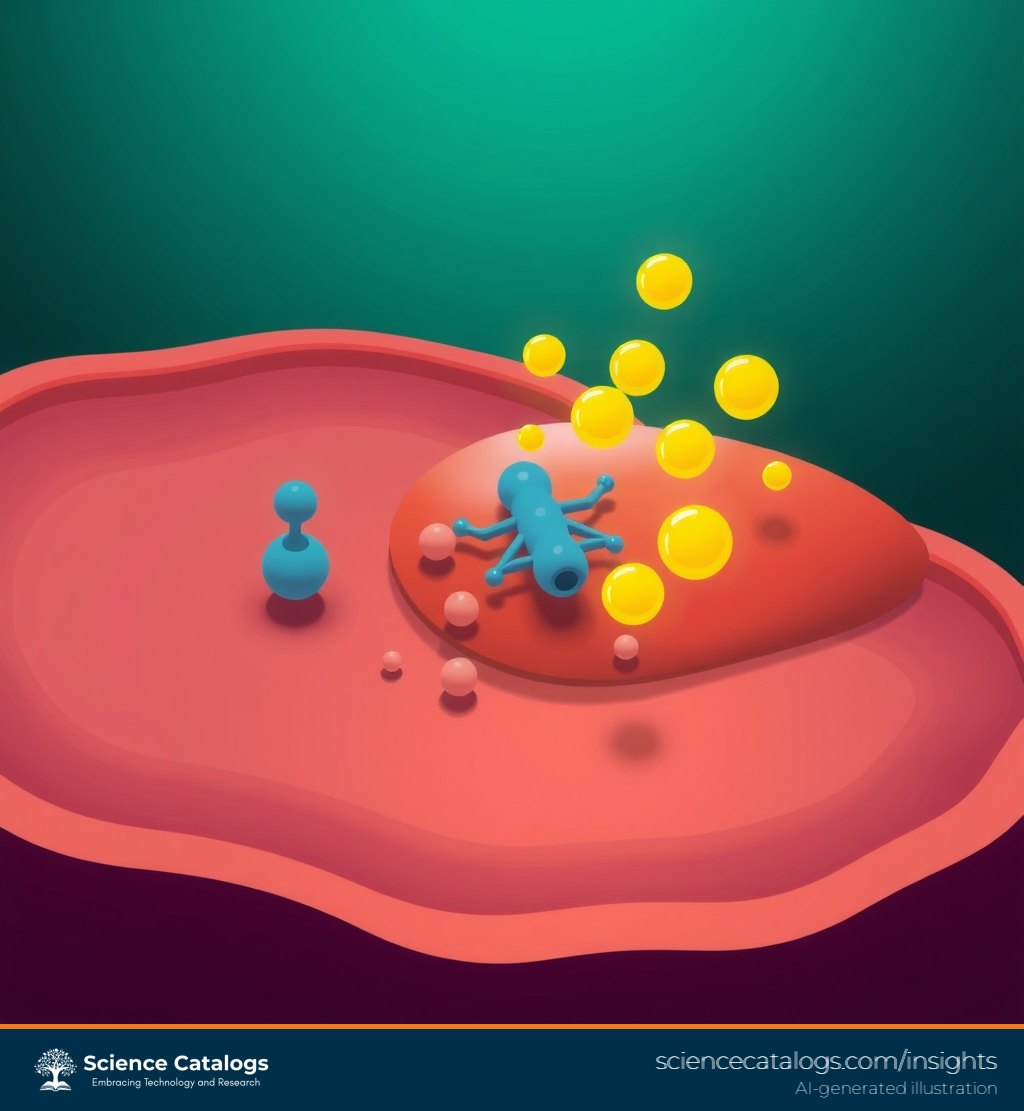
The team then used zebrafish to probe how the pesticide harms neurons. The experiments pointed to impaired autophagy, a maintenance process that breaks down worn-out or defective cell components. It is especially important in neurons, many of which must function for a lifetime.
When chlorpyrifos disrupted this process, damaged material built up inside the cells and contributed to their decline. In the experiments, restoring the cleanup process or removing synuclein protected the neurons. This suggests that the toxicity depends at least partly on a pathway that could be targeted.
Why it matters, and what remains unknown
Much epidemiological work has treated pesticides as a broad class. Singling out one compound, and proposing a mechanism for it, gives researchers a more specific hypothesis to test. Senior author Dr Jeff Bronstein, professor of neurology at UCLA Health, said the study establishes chlorpyrifos as a specific risk factor rather than pesticides in general, and that the animal work suggests the link is likely causal.
Chlorpyrifos has a long history of agricultural use. Residential use was banned in the United States in 2001 and agricultural use was further restricted in 2021, yet it is still applied to many crops there and is widely used elsewhere. Because Parkinson's can emerge years after exposure, people exposed before the restrictions may still be affected.
Several caveats apply. The protective effects of restoring autophagy have been shown only in laboratory models, and it is not yet known whether boosting autophagy could prevent or reduce pesticide-related damage in people. The researchers plan to examine whether other widely used pesticides act through the same cellular pathway. They also suggest the findings could help identify people with substantial past exposure who might benefit from closer neurological monitoring, although no such programme has been tested.
Source: Common pesticide linked to 2.5 times the risk of Parkinson’s disease (ScienceDaily: top science, 1 November 2026).
Image: AI-generated illustration.
Working on this topic? Find a journal for your research or join the discussion on Scholars Post.