Complement protein C3 may mediate calorie restriction's anti-inflammatory effect, Yale study finds
 S
A study in Nature Aging from Yale School of Medicine identifies the immune protein complement component 3 (C3) as a possible mediator of some benefits of eating less. Levels of C3 fell significantly in people on moderate calorie restriction, and inhibiting its activation in mice reduced inflammation linked to ageing.
Plasma proteins from a controlled human trial
The team, led by senior author Vishwa Deep Dixit, analysed blood plasma from 42 participants in CALERIE, a two-year trial funded by the US National Institutes of Health. Participants cut their energy intake by 11% to 14% and reported no sense of deprivation. The researchers detected more than 7,000 proteins in samples collected over time, and C3 stood out because its levels dropped markedly with the dietary change.
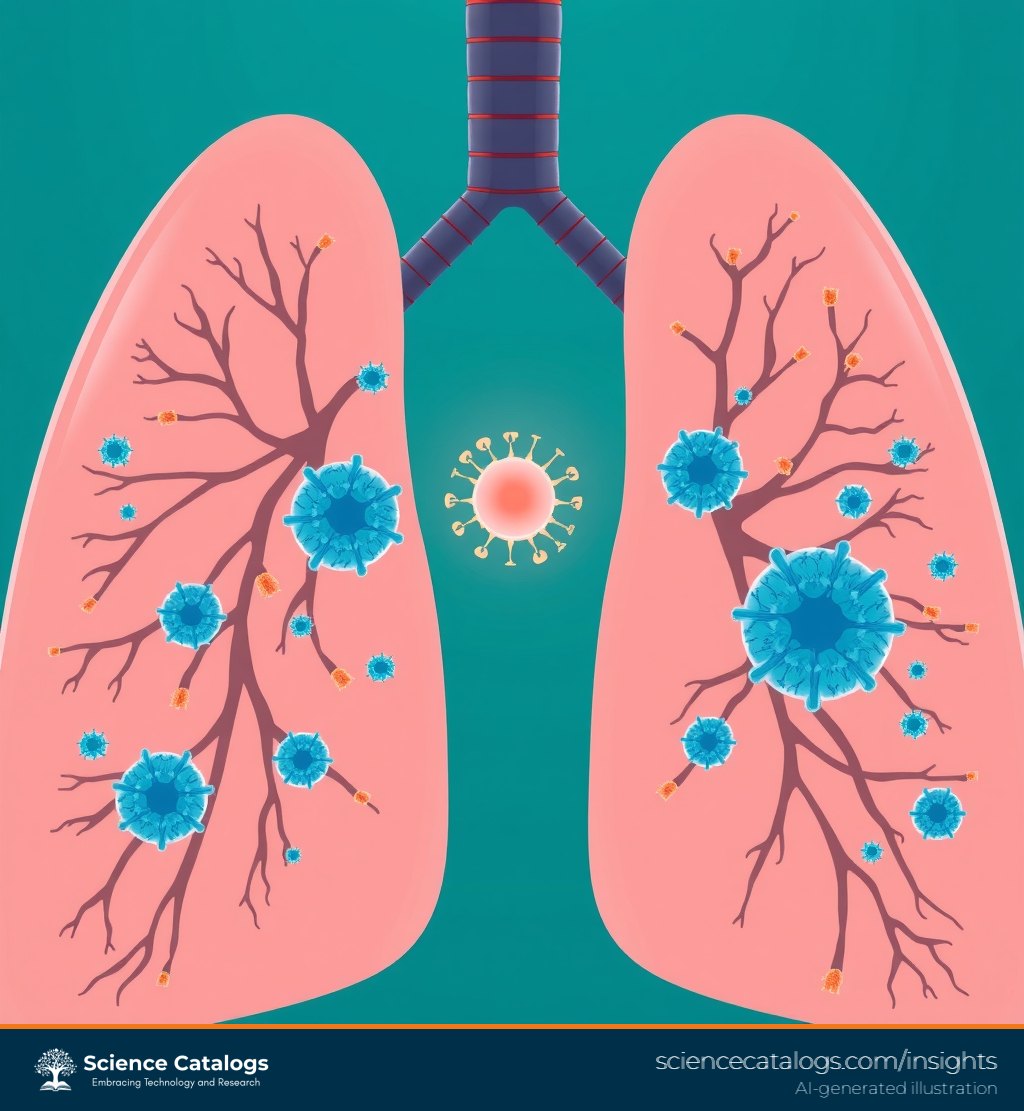
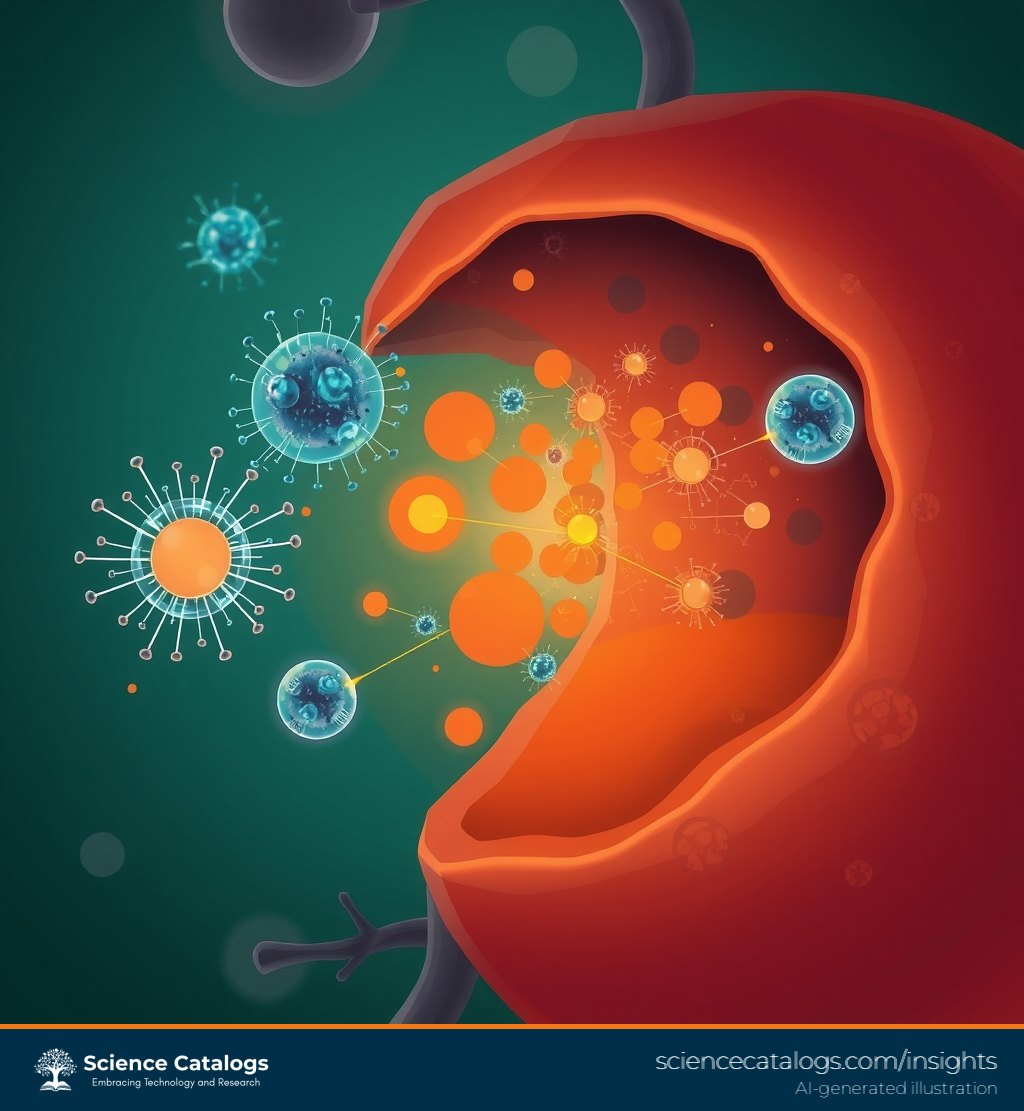
C3 is central to the complement system, a protein network that helps the immune system identify and clear invaders such as bacteria. Excessive complement activity has previously been associated with chronic inflammation, a recognised hallmark of biological ageing. According to co-first author Hee-Hoon Kim, whether C3 plays a causal role in ageing-related inflammation had not been established.
An unexpected source in visceral fat
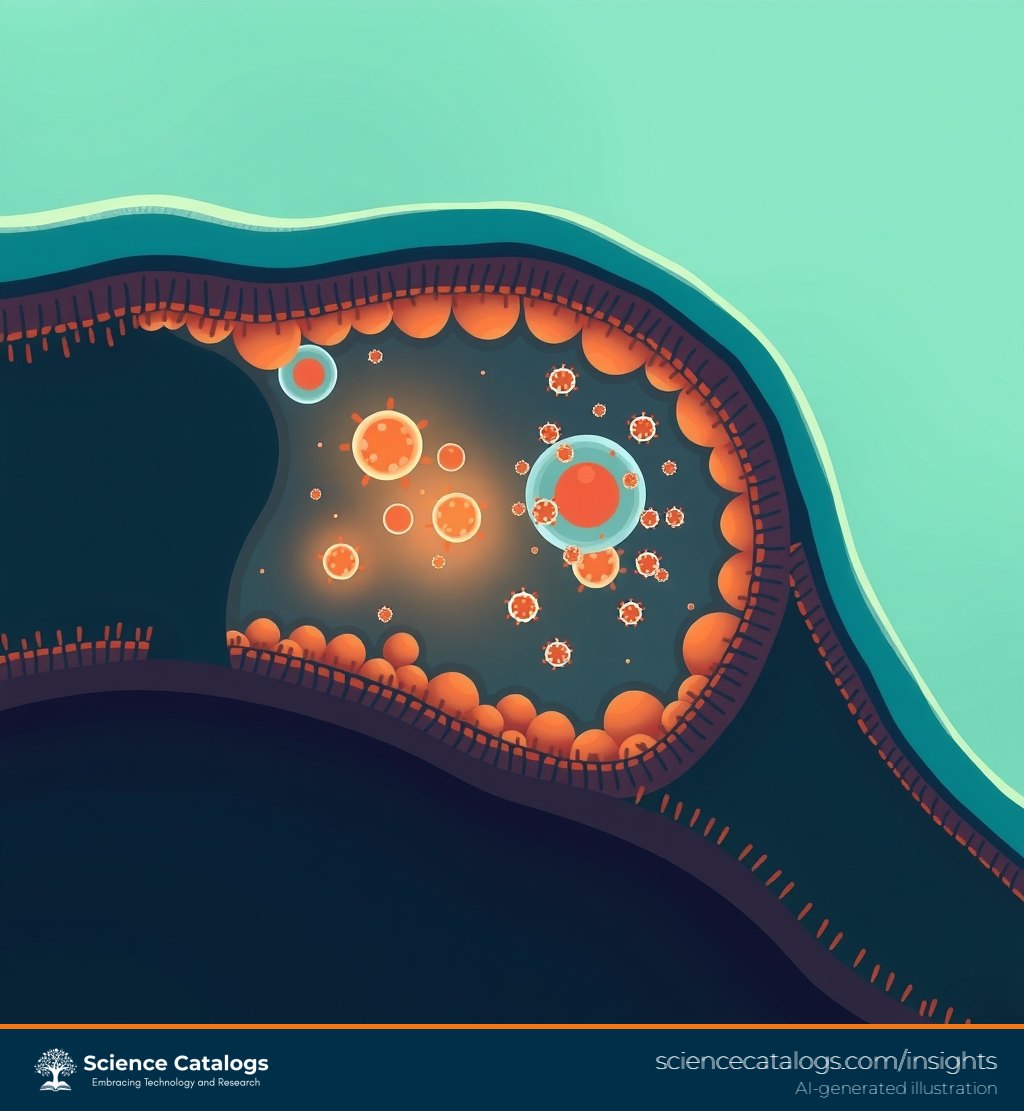
Comparing protein levels at the start and end of the trial, the researchers identified white adipose tissue as the main tissue responding to the intervention. In mice, C3 expression rose with age. Biochemical experiments traced the increase to visceral white adipose tissue, the fat surrounding internal organs, rather than to the liver, where complement proteins are mainly made. Co-first author Manish Mishra noted that this was not expected.
Single-cell RNA sequencing then narrowed the source to specific ageing-associated macrophage populations residing in the fat. Macrophages are immune cells best known for engulfing pathogens, but they also help maintain tissue balance.
Independent of weight loss
Participants lost about 18 pounds on average, so the team first suspected that shedding fat drove the fall in C3. However, changes in body mass index did not correlate with reductions in complement protein levels. The authors interpret this as an effect of calorie restriction on adipose tissue that is likely independent of weight loss.
In mice, pharmacological inhibition of C3 activation lowered age-related inflammation. The experiments did not show that blocking C3 extends lifespan or slows ageing in humans, so the claim is limited to reproducing part of the biological response to eating less.
An evolutionary trade-off
Dixit places the work in the framework of antagonistic pleiotropy, the idea, developed by Peter Medawar and formalised by George C. Williams, that traits useful early in life can be harmful later. Complement proteins protected people from deadly infections through evolution, but sustained activity in older age may feed chronic inflammation. Reducing C3 could therefore be aimed at extending healthspan, the years lived in good health, rather than lifespan alone.
Limitations and next steps
The human data come from a relatively small subset of one trial, and the mechanistic and drug experiments were carried out in mice. The group is now testing whether FDA-approved complement inhibitors can counter harmful C3 activity and slow aspects of ageing in humans. The main challenge is to limit inflammation without weakening defence against infection. As Dixit puts it, the aim is to restore balance rather than remove the complement system.
For ageing researchers, the study offers a defined molecular and cellular target, adipose macrophages producing C3, for separating the benefits of calorie restriction from its costs.
Source: Yale scientists may have found a shortcut to the anti-aging benefits of eating less (ScienceDaily: top science, 28 November 2026).
Image: AI-generated illustration.
Working on this topic? Find a journal for your research or join the discussion on Scholars Post.