Allergy may begin with an energy deficit in barrier cells, not the immune system
 S
A team led by Professor Peter Smith at Griffith University has proposed that allergic disease may start with an energy shortfall in the epithelial cells that line the body's barrier surfaces, rather than with a fault in the immune system. The argument, published in the journal Allergy, draws on a large body of molecular data. The authors stress that it is a hypothesis and not an established cause.
A reversal of the usual sequence
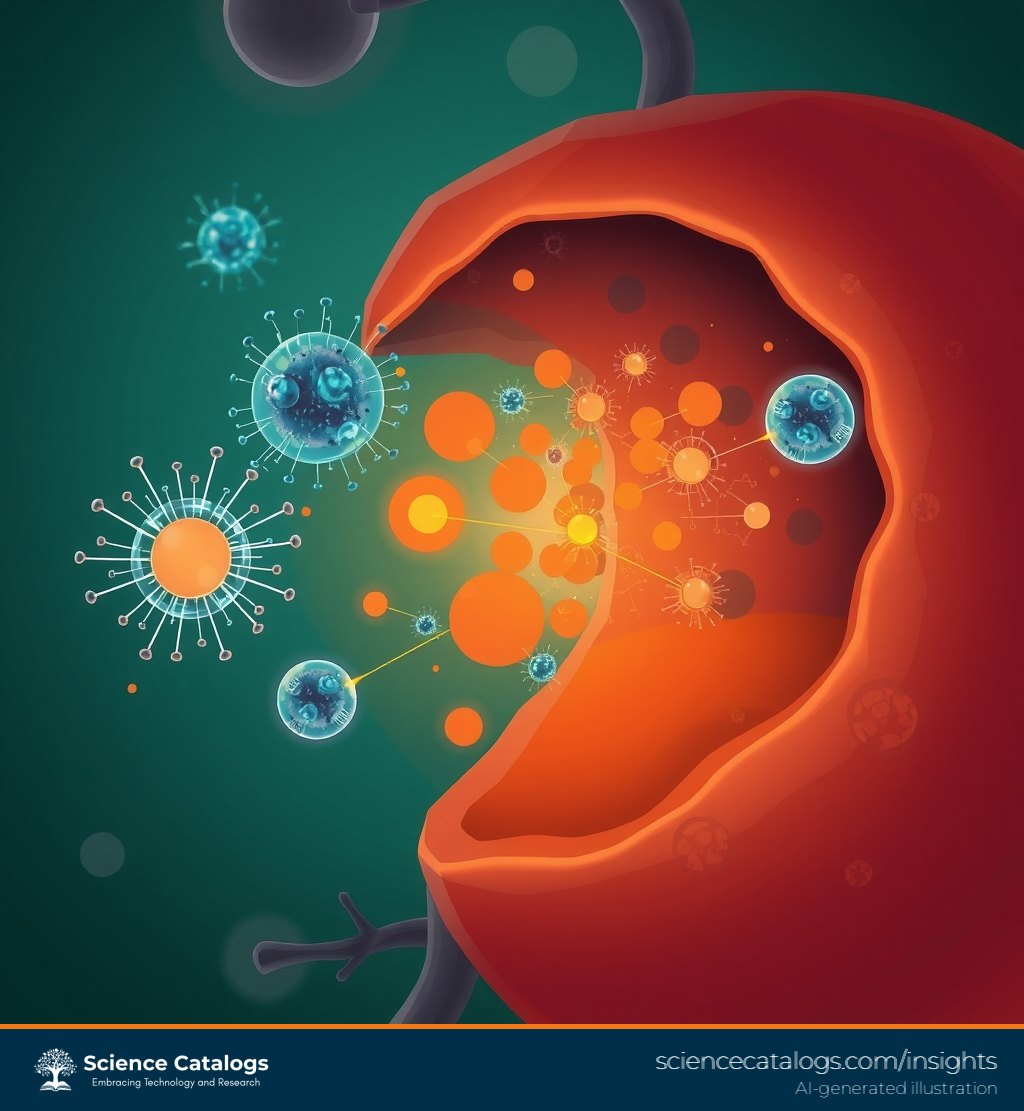
The conventional view holds that allergies arise from an inappropriate immune response, with damage to the barrier following as a consequence. Smith and colleagues suggest the order may be the other way round. In their account, mitochondria in epithelial cells of the skin, gut, nose, lungs and oesophagus fail to supply enough energy to meet the demands of a modern environment. The stressed cells then signal danger too readily, and the immune reactions recognised as allergy follow.
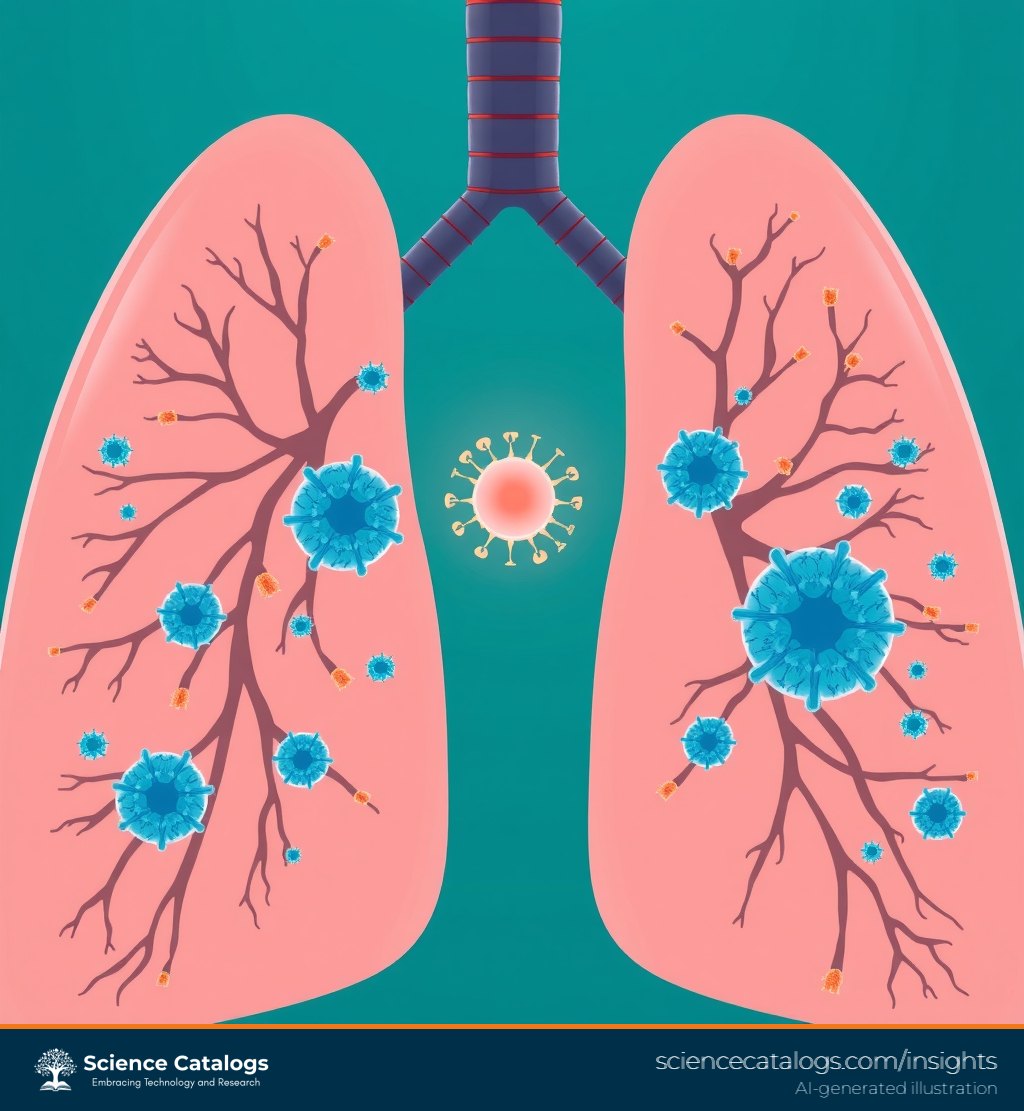
Mitochondria generate most of a cell's energy, and epithelial cells rely on that supply to maintain the barrier, repair damage and respond to threats. Allergic conditions now affect up to one in three children, according to the researchers, and the proposed mechanism could help explain why eczema, food allergy, hay fever and asthma often occur together.
What the data showed
The team examined what they describe as the largest collection of multi-omic allergy data assembled so far: 116 case-control cohorts and 3,776 patients. Multi-omic approaches combine several types of molecular measurement to give a fuller picture of disease processes.
The strongest support came from eosinophilic oesophagitis, a chronic allergic inflammation of the oesophagus. In all 13 independent patient groups, activity was reduced in the machinery that clears damaged mitochondria, a process known as mitophagy. In people with eczema, the researchers found abnormalities in the skin barrier and in antioxidant defences, including in skin that showed no visible inflammation.
The pattern was not universal. The team found no evidence of the signature in established asthma or in nasal polyps, and hay fever showed only partial support.
Possible environmental links and relapse
The authors suggest that several suspected risk factors may converge on the same vulnerability, namely the capacity of barrier cells to produce enough energy. Those factors include processed-food diets, air pollution, microplastics, detergents, falling fibre intake and early-life antibiotic exposure. Associate Professor Nic West, a co-author and molecular immunologist at Griffith, noted that no single explanation has so far accounted for the rise in allergy within one generation.
The model also offers a reading of relapse. Once inflammation is established, it is thought to damage the barrier further, creating a self-reinforcing cycle. West argues that current drugs act downstream of the original problem, which may be why disease often returns when treatment stops.
Limits and next steps
The paper is a synthesis of existing datasets and a proposal for how to interpret them. It does not show that mitochondrial dysfunction causes allergy, and the uneven findings across conditions suggest the mechanism may apply to some allergic diseases more than others. Smith described the work as a logical starting point, not a cure.
The central unresolved question is timing. If the energy deficit is a consequence of established disease, the hypothesis weakens considerably. The team's proposed next step is to measure these cells directly in infants before allergy develops, which would indicate whether mitochondrial dysfunction comes first. Such work would also test whether interventions aimed at barrier-cell energy metabolism or mitophagy merit investigation.
The international author group includes researchers affiliated with Mount Sinai, Leuven, Cork, Southampton, Zurich, Miami, Singapore and Aberdeen.
Source: Scientists may have discovered the hidden root cause of allergies (ScienceDaily: health and medicine, 28 November 2026).
Image: AI-generated illustration.
Working on this topic? Find a journal for your research or join the discussion on Scholars Post.