Abnormal histone acetylation drives a rare leukaemia by recruiting cBAF, mouse study finds
 S
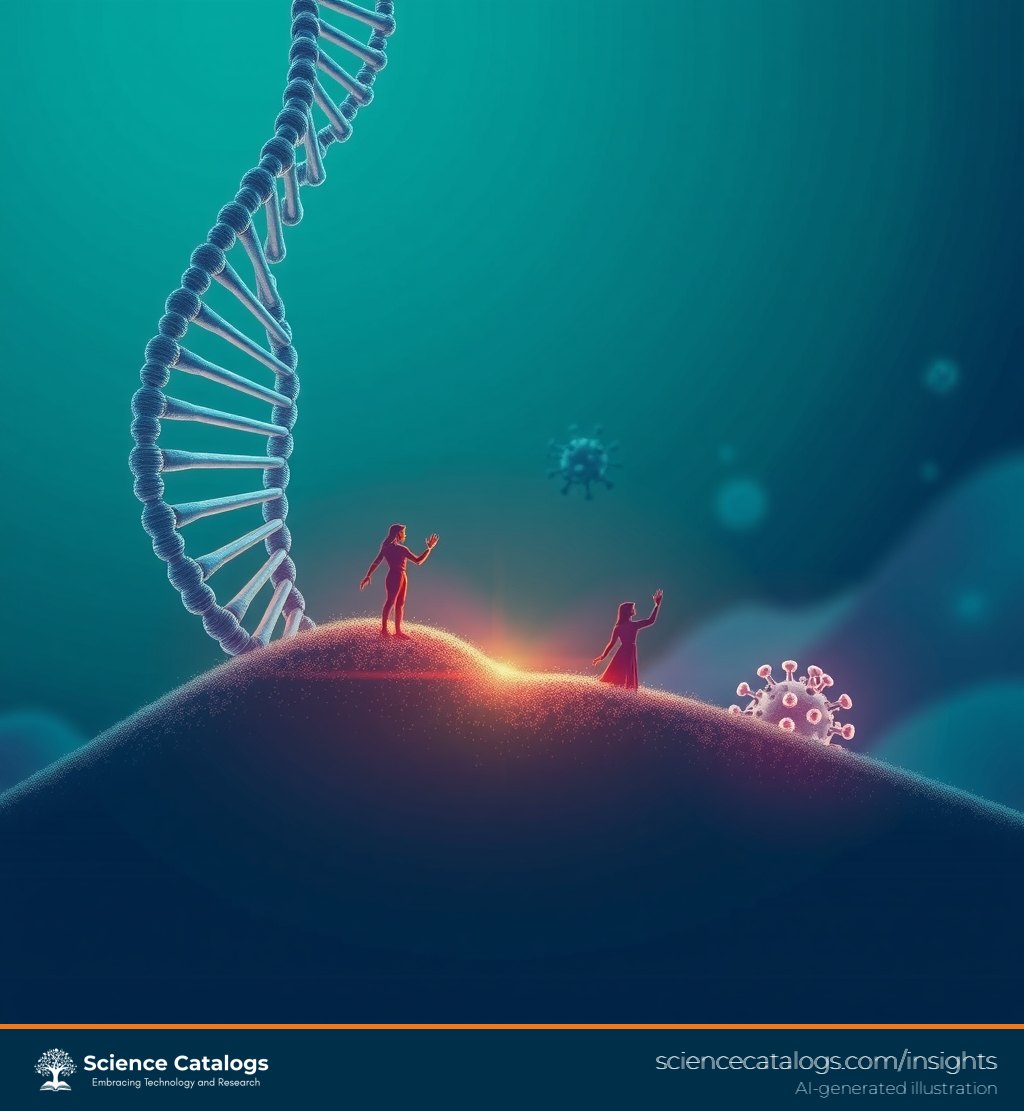
Researchers at The Institute of Cancer Research (ICR), London, have shown how a cancer-causing fusion protein can switch on leukaemia genes by driving abnormal histone acetylation. Working in a rare subtype of acute myeloid leukaemia (AML), the team traced a chain of events from excess acetylation to the activation of genes that sustain the cancer. The work, published in Molecular Cell, also provides a new mouse model of the disease.
A long-running question about histone marks
Human DNA is wrapped around histone proteins to form chromatin, which allows roughly two metres of DNA to fit inside each cell. Chemical modifications to histones help determine which genes are active. Histone acetylation is among the best known of these and is commonly found at active genes. Whether it simply accompanies gene activity or helps cause it has been debated for some time.
To test this, the group studied an AML subtype caused by a chromosomal rearrangement that fuses KAT6A and p300. Both proteins normally add acetyl groups to histones. The fusion occurs in a small proportion of AML cases and is linked to a poor prognosis.
A mouse model with a natural genetic context
Using CRISPR genome editing, the researchers created what they describe as the first mouse model in which the KAT6A-p300 fusion arises in its natural genomic context, resembling the genetic changes seen in patients. The resulting leukaemia was aggressive and transplantable, meaning it can be passed between animals for further study. Joint first author Alexandra Cooper, a PhD student in the Chromatin Biology Group, said the model offers a new system for investigating the disease.
From hyperacetylation to gene expression
Using a combination of techniques, the team found that the fusion creates unusual regions of histone hyperacetylation at genes that maintain the identity and growth of leukaemia cells. These regions acted as landing sites for cBAF, a chromatin-remodelling complex. Its recruitment made the DNA more accessible to the cell's transcription machinery and promoted the arrival of RNA polymerase II, the enzyme needed to begin transcription. This ultimately drove expression of the genes that support leukaemia growth.
Removing the fusion from the models reversed the sequence:
- histone acetylation levels fell;
- cBAF recruitment was reduced;
- chromatin became less accessible;
- cancer-promoting gene expression was rapidly switched off.
This indicates that the leukaemia depends on KAT6A-p300 for survival, and it supports a direct, rather than merely correlative, role for acetylation in this setting.
Limits and next steps
The authors stress that the research is at an early stage and does not establish new treatment strategies. The findings come from a mouse model, and the source does not report any patient trials. The work does, however, identify several potential vulnerabilities that could be explored in future therapeutic studies, since the leukaemia's reliance on the fusion creates dependencies that might be exploited.
Senior author Dr Alex Radzisheuskaya, who leads the Chromatin Biology Group, suggested the relevance may extend beyond the small number of patients with this rearrangement. The mechanisms identified may operate in other leukaemias, and understanding the molecular dependencies created by the fusion could inform studies of other cancers driven by abnormal histone acetylation. For researchers, the new model offers a tractable platform for testing how chromatin regulators interact in leukaemia, and for assessing which links in the pathway are most open to intervention.
The study is titled "Oncogenic histone hyperacetylation drives acute myeloid leukaemia through enforced transcription initiation of leukaemogenic genes" (Molecular Cell, 2026).
Source: Scientists reveal how chemical changes switch on leukemia-driving genes (Medical Xpress, 23 November 2026).
Image: AI-generated illustration.
Working on this topic? Find a journal for your research or join the discussion on Scholars Post.