New book argues generative AI is weakening shared trust in what is real
 S
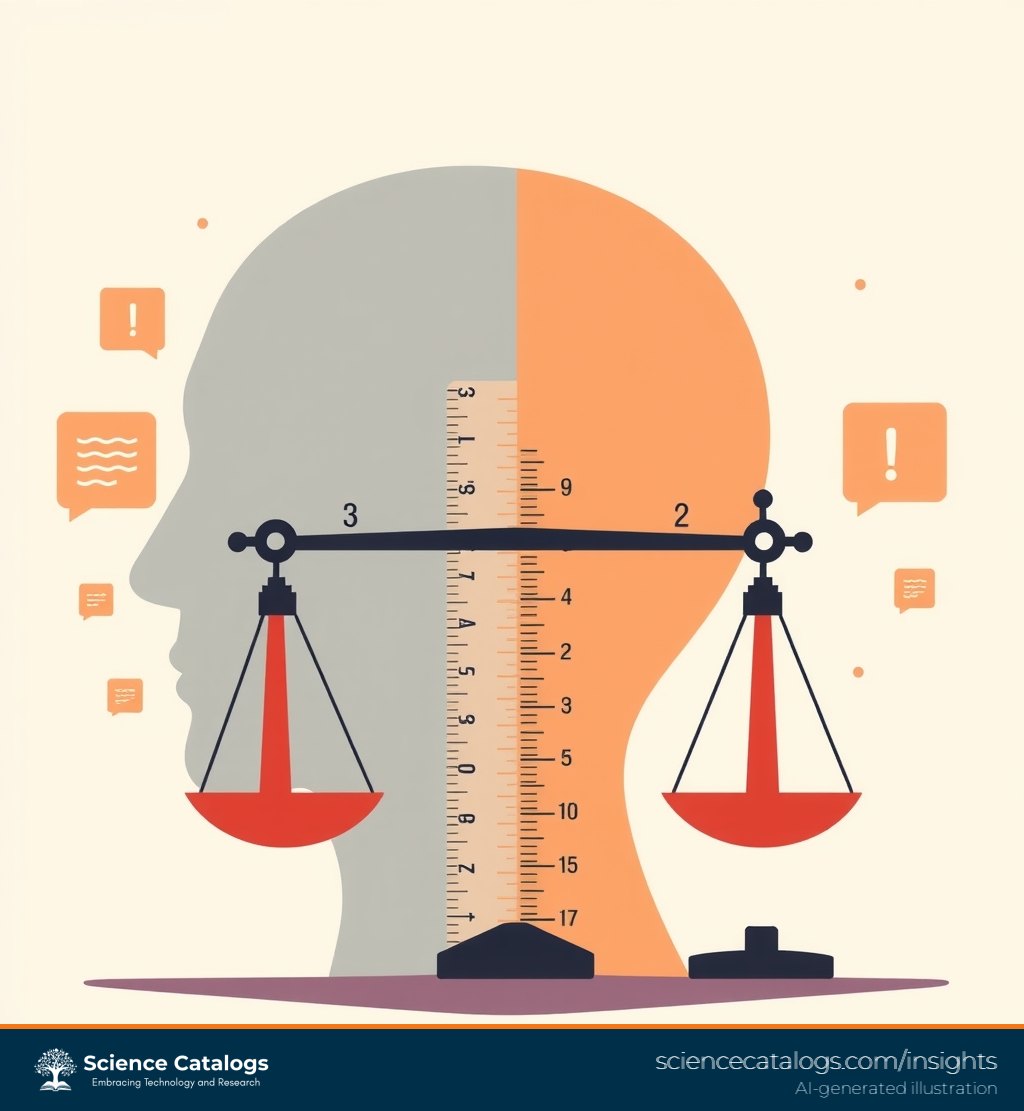
A new scholarly book argues that the central risk of generative AI is not a dramatic technical failure but a gradual loss of people's ability to judge what is real, whom to trust and how to reason independently. In The End of Reality (2026), Mateusz Łabuz traces how recommendation systems and synthetic content have combined to blur the line between authentic and fabricated information. The work is a conceptual argument rather than an empirical study, and the source reports no new datasets or experiments.
From human gatekeepers to algorithmic ones
Łabuz begins with a historical contrast. For centuries, he says, people and human institutions decided what was recorded and shared. Governments, churches and news organisations acted as gatekeepers. They could be mistaken or could push ideology, but they also served as a rough form of quality control.
The internet and social media changed both the speed of circulation and the way material was chosen for audiences. Beliefs increasingly formed within continuous streams of content produced by millions of users and ranked by AI recommendation systems. In Łabuz's account, algorithms then became the new gatekeepers, deciding which material was seen repeatedly and which vanished unnoticed.
Incentives that are not aligned with truth
The core of the critique concerns incentives. Łabuz argues that these systems were built to capture attention, and that emotional intensity proved more effective at doing so than accuracy. Feeds therefore favour scandalous, emotionally charged and often false material, which can be monetised.
He describes how such systems reward cheap, mass-produced output, including sexualised imagery, xenophobic clickbait and surreal "brain rot" characters, because it is profitable rather than valuable. He adds that low-quality synthetic material does not need to state falsehoods to do harm. It is enough that it convincingly imitates meaning.
Hyperreality as everyday experience
Łabuz draws on the philosopher Jean Baudrillard's idea of hyperreality, in which simulations become more persuasive and emotionally powerful than the things they imitate. Generative AI, he argues, has moved this notion from theory into routine life. Synthetic emotions and images are accepted as genuine because they are reproduced so plausibly.
He also describes a historical turning point: a world of information produced almost entirely by humans acquired a second author. Within little more than a decade, he says, machine-generated material, steered by algorithms and amplified by countless human interactions, began to overshadow the human-made record.
Consequences for trust and privacy
The book links these trends to wider social effects. When anyone can produce a personal version of events, Łabuz argues, it becomes harder to sustain a shared understanding of what is true. Malicious actors can exploit this for political manipulation, humiliation, disinformation and destabilisation, weakening confidence in institutions and democracy.
He also points to individual harms. A person's likeness can be used for fraud, extortion or the creation of nonconsensual intimate images.
Proposed response and open questions
Łabuz does not call for abandoning technology or retreating to an analogue life, which he regards as irrational. Instead he argues for preserving independent thought, doubt and personal responsibility, without handing these over to algorithms. He hopes the situation will encourage stronger commitment to rigorous scientific inquiry and critical thinking, along with the judgement to disregard technology when appropriate.
For researchers, the book offers a framework that connects media studies, philosophy of technology and information science. Its claims about declining trust and a growing share of synthetic content are, in the source, presented as argument and interpretation rather than measured results. They therefore suggest questions for empirical work, such as how to measure the proportion of synthetic material in recommendation feeds, how exposure affects people's confidence in their own judgements, and which interventions in education or platform design support independent evaluation of information.
Source: Reliance on technology is eroding trust in one another and ability to tell what is even real, expert warns (Phys.org, 23 November 2026).
Image: AI-generated illustration.
Working on this topic? Find a journal for your research or join the discussion on Scholars Post.