Nasal BDNF mRNA nanoparticles restore memory in aged and Alzheimer's-model mice
 S
A team at the University of Sydney has shown that nose drops containing messenger RNA (mRNA) for brain-derived neurotrophic factor (BDNF) improved memory and learning in aged mice to a level comparable with young animals. In a mouse model of Alzheimer's-like disease, the same treatment stopped the cognitive decline that normally develops. The work, led by Professor Greg Neely, is published in Advanced Science.
How the approach works
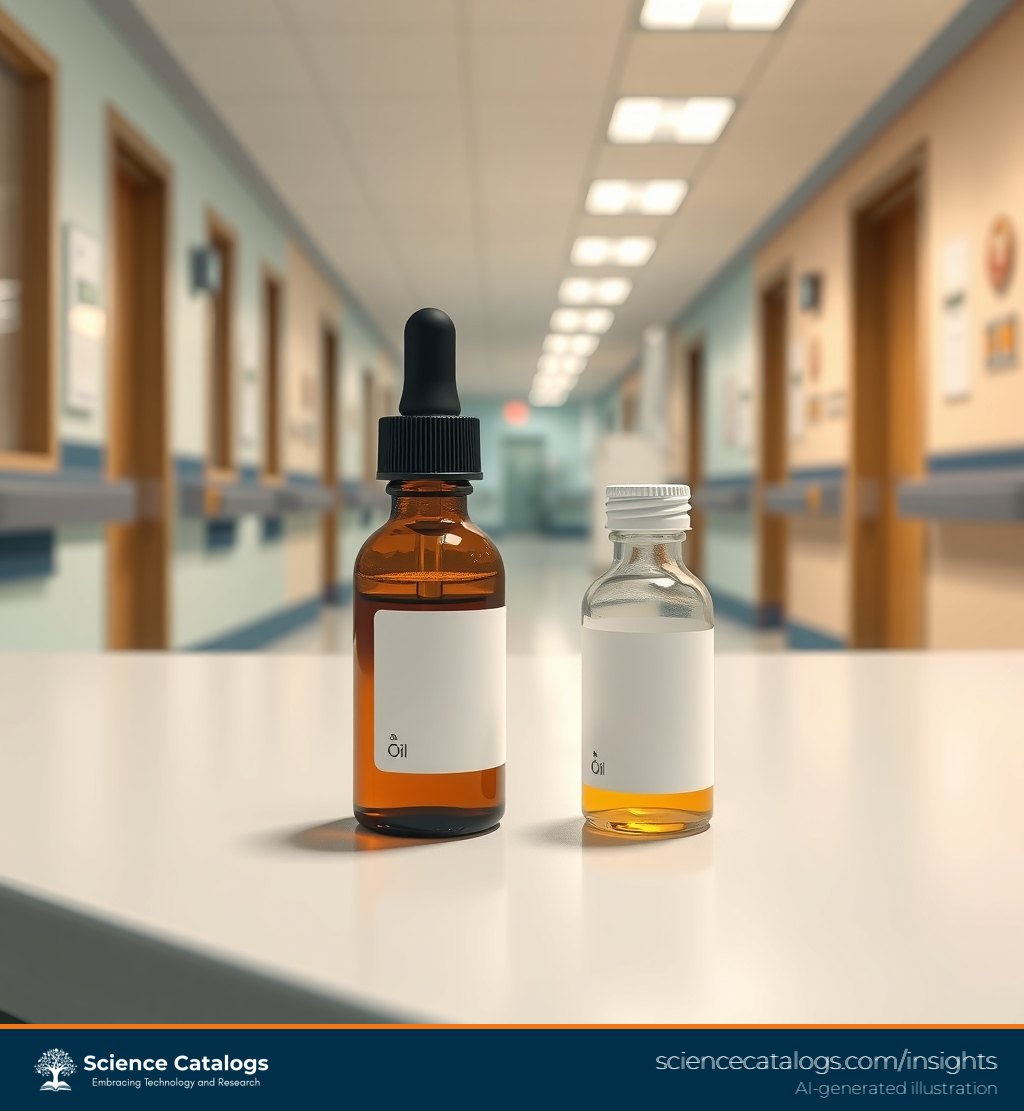
The mRNA is packaged in lipid nanoparticles (LNPs), fatty particles that protect the genetic instructions and help them enter cells. The team built on the BioNTech mRNA-LNP platform used in COVID-19 vaccines, but the cargo here encodes a therapeutic protein rather than an antigen. After nasal delivery, cells in the nasal epithelium produce BDNF, which the authors report then supports brain function. The title of the paper describes the effect as nasal epithelial BDNF production.
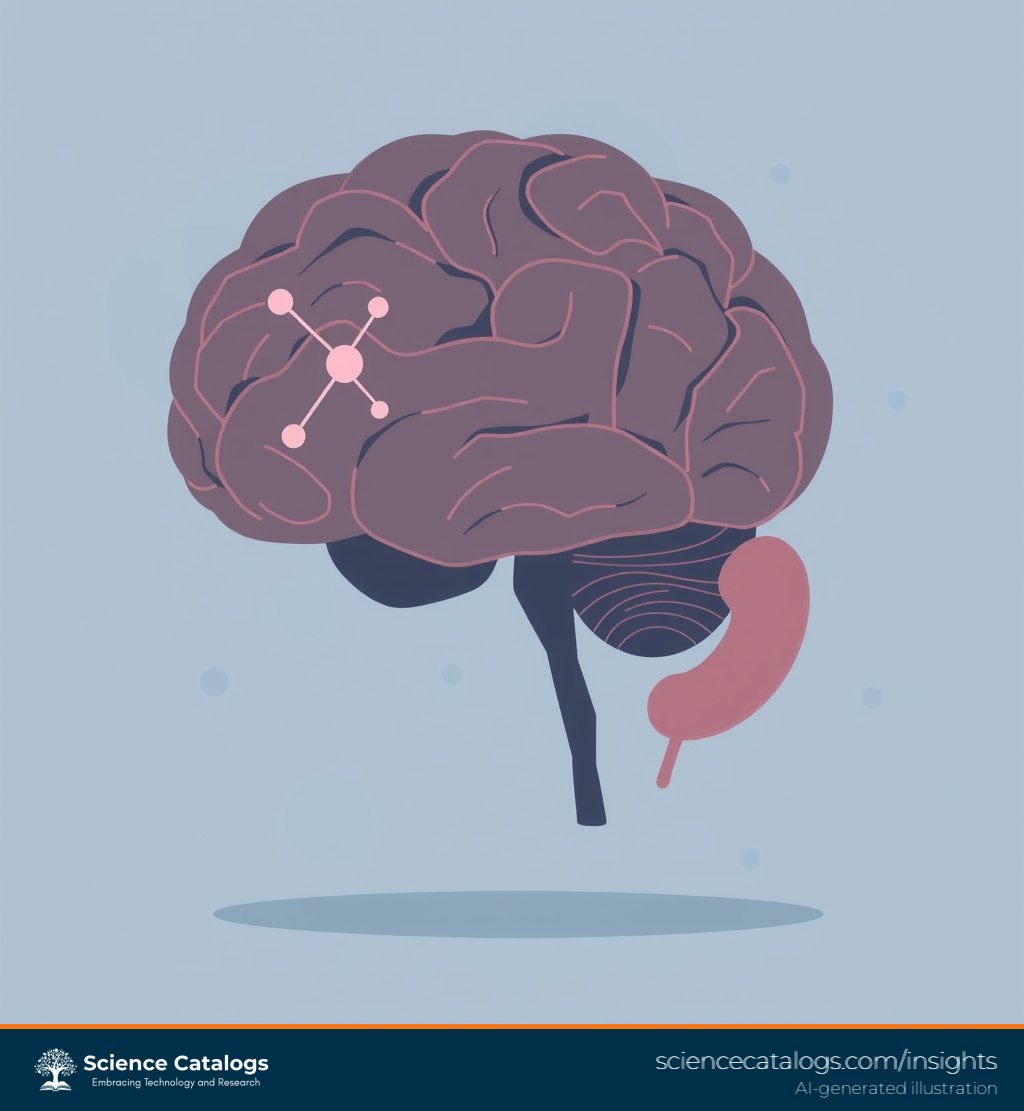
BDNF is a naturally occurring protein that helps neurons survive, form connections and adapt during learning. Its levels tend to fall with age and are also linked to Alzheimer's disease.
Results in aged and Alzheimer's-model mice
Older mice given the nose drops performed about as well as young mice in standard tests of working memory, spatial memory and object recognition. Untreated older mice showed the expected age-related decline.
For the Alzheimer's experiments, the researchers used 5XFAD mice, which carry mutations that produce Alzheimer's-like pathology early in life. Pathology is typically detectable by two months and cognitive decline by around four months. Treatment began at two months and was given twice a week. By four months, treated animals showed no further cognitive decline, in contrast to the marked deterioration usually seen in this model.
The team also found increased neurogenesis, the formation of new neurons, in the hippocampus, a region central to memory and vulnerable in Alzheimer's disease. This may help explain the cognitive benefit. No major side effects were reported in the mice.
Protection without plaque clearance
Treated mice did not show reduced amyloid plaques, yet their memory was preserved. This suggests the therapy supports neuronal health and connectivity rather than removing deposits. Professor Neely noted that just under a third of people with substantial plaques do not develop dementia and tend to have higher BDNF levels, which is consistent with this idea. Because many current Alzheimer's therapies target amyloid, the authors suggest the two strategies might eventually be combined, although that remains speculative.
Why the delivery route matters
The blood-brain barrier blocks many candidate drugs from reaching brain tissue, which limits treatment of neurological disease. Connections between the nasal cavity and the central nervous system offer a possible non-invasive alternative to injections into the brain or spinal cord. The authors describe the study as a proof of concept for delivering mRNA-encoded cargo to the nervous system through the nose.
Limitations and next steps
All evidence so far comes from mice, and the treatment is experimental. Long-term safety is untested, and further animal safety studies are needed before any clinical trial. Professor Neely cautioned that human and mouse noses differ, so delivery efficiency in people is unknown. The research also began treatment at an early disease stage, so it does not show whether later intervention would work.
The team says the individual components have been shown to be safe in earlier human trials, but the combined nasal product still needs its own evaluation. Professor Neely hopes human trials could begin within two years. The researchers also see potential applications in other neurodegenerative disorders, stroke, traumatic brain injury and some rare genetic conditions, though none of these has been tested in this study.
Neely and first author Dr Maria Bergamasco are inventors on a provisional patent application related to the work. Funding came from the National Health and Medical Research Council, the NSW Ministry of Health and a philanthropic gift supporting the Neely Lab. Animal work was approved by the University of Sydney Animal Ethics Committee.
Source: New nose drops restore youthful memory and fight Alzheimer’s in aging mice (ScienceDaily: top science, 25 November 2026).
Image: AI-generated illustration.
Working on this topic? Find a journal for your research or join the discussion on Scholars Post.