Mouse study maps how ageing reshapes CD8 T cells, including a suppressive subset
 S
A preclinical study from Monash University has described how ageing alters the genetic regulation of CD8+ T cells, a central population in the immune defence against infection and cancer. Working in mice, the team identified three distinct ways in which ageing disrupts these cells, and a previously unrecognised group that actively dampens the activity of other immune cells. The work appears in Science Immunology.
Why CD8 T cells matter
CD8+ T cells act as a first line of defence, recognising and destroying cells that are infected or have turned cancerous. The immune system performs this surveillance continuously and largely without notice. Ageing is the largest single risk factor for cancer overall, and older people also tend to suffer more frequent and severe infections and respond less well to vaccines. The Monash team set out to find what changes inside these cells as the immune system ages.
Three routes to dysfunction
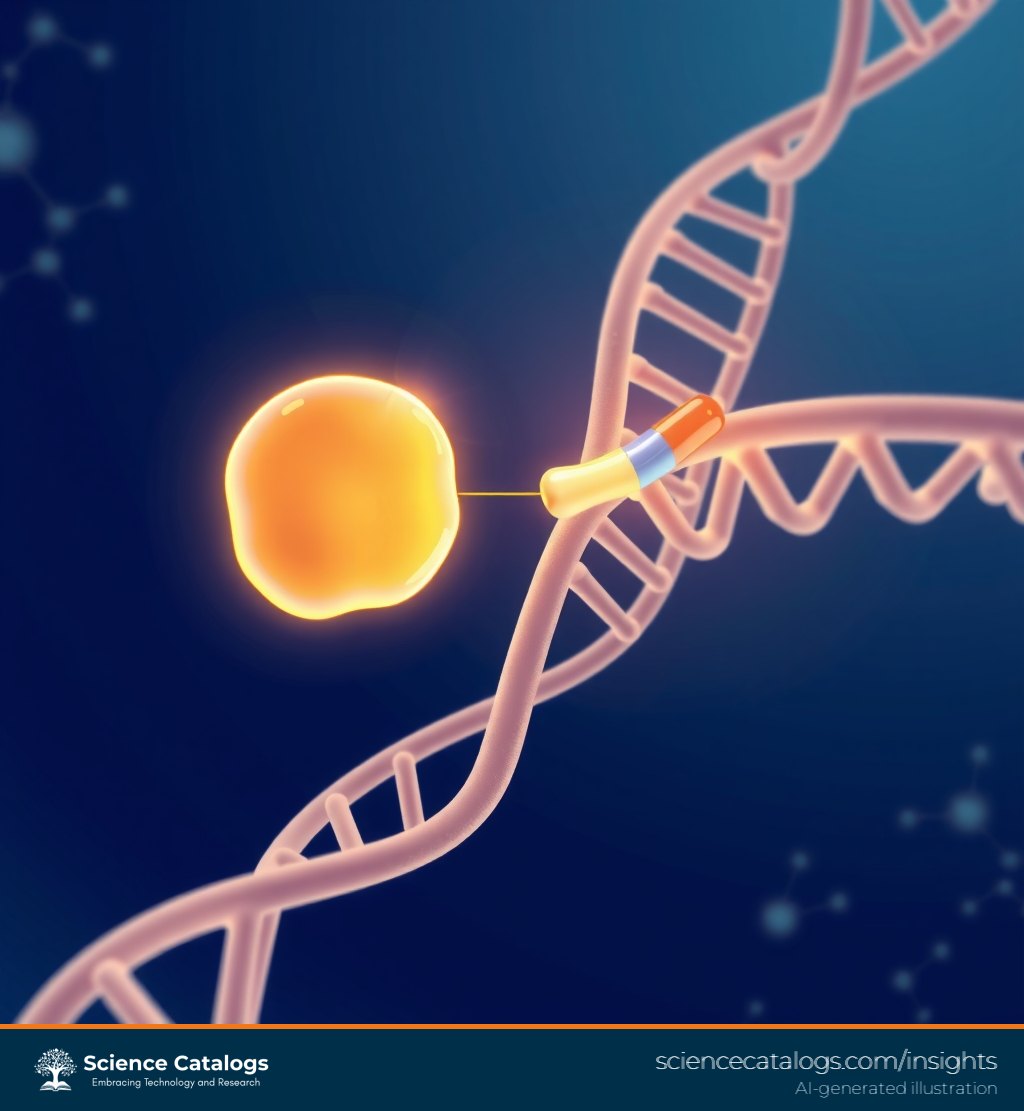
Using mouse models, the researchers found that ageing disturbs the genetic instructions governing T cell behaviour in three separate ways. These affect the cells' ability to adapt to new threats, to regulate immune responses and to remain healthy. The title of the paper refers to distinct chromatin signatures of dysfunction, indicating that the changes lie in how the genome is packaged and made accessible, rather than in the underlying DNA sequence.
First author Dr Daniel Thiele, of the Monash Biomedicine Discovery Institute, said that cells within the same ageing animal can age in strikingly different ways. This suggests that immune decline is not a uniform process, and that a single intervention is unlikely to address every affected cell type.
A suppressive population emerges
The team also described a previously unidentified population of ageing CD8+ T cells. These cells not only lose their protective function but also suppress the responses of other immune cells. The paper names them a unique CD8 regulatory T cell population. In practical terms, some cells in an older immune system appear to be passive casualties of ageing, while others may actively interfere with defences. How much this subset contributes to poorer outcomes against tumours or pathogens has yet to be established.
Links to ageing beyond the immune system
The researchers say the dataset has already supported a separate Monash finding, in which granzyme K, a protein produced by immune cells, was identified as a driver of age-related organ damage in mice. Senior researcher Nicole La Gruta suggested that understanding what drives ageing in immune cells could eventually help target ageing more widely in the body. This remains a hypothesis rather than a demonstrated outcome.
Limitations and next steps
The findings come from mouse models, and the source gives no detail on sample sizes or on whether the same signatures occur in human T cells. Those questions will shape the next phase of work. Key steps include:
- testing whether the three chromatin-level changes are present in older human donors;
- determining whether the suppressive CD8 subset contributes to weaker tumour or vaccine responses;
- identifying which of the altered regulatory programmes can be reversed safely.
For immunologists and researchers in ageing, the study offers a reference map of where T cell regulation goes wrong with age. It also points towards therapies that restore immune function selectively, rather than boosting immunity indiscriminately. Any such treatments remain well beyond the current evidence.
Source: Immune aging blueprint offers new clues to fighting cancer (Medical Xpress, 21 November 2026).
Image: AI-generated illustration.
Working on this topic? Find a journal for your research or join the discussion on Scholars Post.