Epigenetic blood test separates early breast cancer from healthy samples and flags recurrence risk
 S
Researchers in Israel have developed a blood test that reads epigenetic marks on DNA-protein fragments released by dying cells. It distinguished women with early-stage breast cancer from healthy women with 95% accuracy, and separated patients whose disease returned from those whose did not with 81% accuracy. The work, led from the laboratories of Guy Ron at the Hebrew University of Jerusalem and Efrat Shema at the Weizmann Institute of Science, was published in Nature.
Reading epigenetic tags in the bloodstream
Liquid biopsies look for traces of tumours in blood, but early in the disease these signals are very faint, and tests risk false alarms. The team took a different route from searching for mutations. They examined epigenetic tags, the chemical marks that influence which genes a cell uses and how strongly.
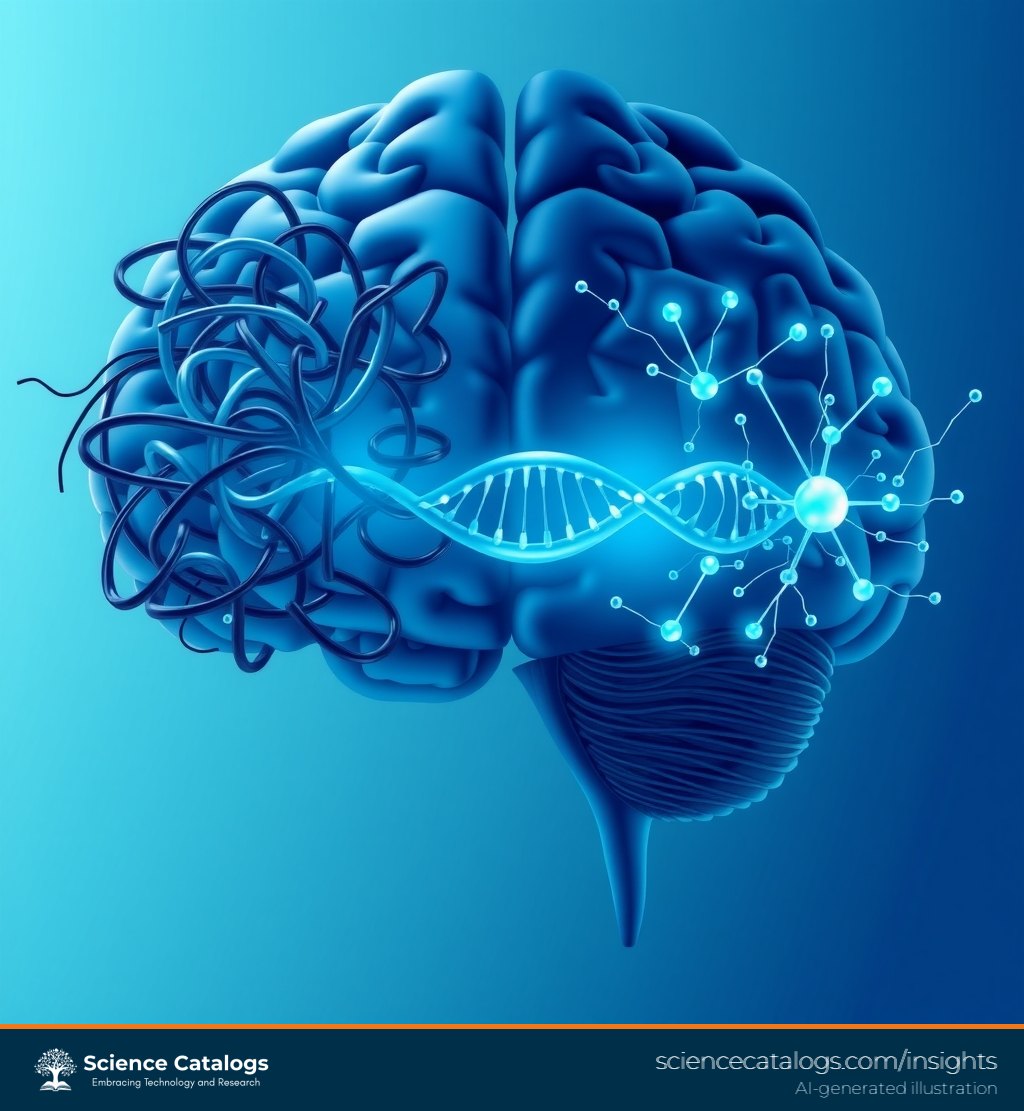
Dying cells, cancerous ones included, release nucleosomes into the circulation. These are stretches of DNA wound around proteins. Shema's technology uses single-molecule microscopy and fluorescent labels that recognise dozens of epigenetic marks, allowing millions of nucleosomes to be profiled. A 2022 study had already shown the approach to be promising for early colorectal and pancreatic cancers.
From tumour maps to a diagnostic test
To learn what breast tumours look like epigenetically, Noa Furth, Christina Riemenschneider and Yishai Arieli first analysed tissue from 12 women undergoing surgery. Furth has described how samples had to be carried to the laboratory on ice and processed the same day, because the marks degrade quickly after removal.
Ron's physics group then applied computational analysis to find patterns in the data, and the team trained artificial intelligence models on blood samples. These came from 77 breast cancer patients followed for at least five years at the Mayo Clinic in Florida, plus 30 healthy women. For tumours confined to the breast and no larger than 2 centimetres, the models reached 95% accuracy. According to Shema, performance held across breast density and cancer subtypes, and when the set was expanded to 188 patient samples with Sheba and Kaplan medical centres. Breast density matters because dense tissue can obscure tumours on mammograms.
A rare aggressive cell population
The analysis also revealed a small population of highly invasive cells with a distinct epigenetic signature, even in tumours not regarded as especially aggressive. The researchers report that the differences appear to be mainly epigenetic rather than genetic: when lab models of breast cancer were started from non-aggressive cells, an aggressive population always emerged.
The more of this signature that appeared in a patient's blood, the higher the chance of recurrence. Combined with other epigenetic markers, it identified patients whose cancer returned during follow-up with 81% accuracy. The test also flagged risk in some patients classed as low risk by conventional measures. The report states that it outperformed tissue biopsies for predicting recurrence. Recurrence occurs in 20% to 40% of cases even after apparently successful early treatment.
Caveats and next steps
The cohorts are small, and the source describes no independent validation in a screening population. Accuracy in a few hundred samples may not carry over to the general population, where false positives become a larger concern. The healthy comparison group was also modest in size. Larger prospective studies would be needed before any clinical role could be judged, including how the test complements mammography.
The findings also suggest a research direction beyond prediction. Shema says the group is now seeking treatments that would remove the epigenetic flexibility of cancer cells, and possibly push already aggressive cells towards less aggressive behaviour. The same methods, she adds, could be used to follow aggressive cell populations in other cancer types.
Source: Experimental blood test detects early breast cancer and predicts recurrence (Medical Xpress, 13 November 2026).
Image: AI-generated illustration.
Working on this topic? Find a journal for your research or join the discussion on Scholars Post.