Chimeric RNAs, once dismissed as errors, prove essential to cell survival and linked to breast cancer
 S
Chimeric RNAs, molecules formed from material belonging to two or more genes, are functional parts of the active transcriptome rather than cellular debris. That is the conclusion of researchers at the UVA Comprehensive Cancer Center, who built a large atlas of these molecules and showed that removing them from healthy cells harms the cell cycle and survival. The work, published in Science Advances, also reports frequent chimeric RNA malfunction in primary breast cancer tumours.
A possible clue to the G-value paradox
The G-value paradox refers to the observation that humans have roughly as many protein-coding genes as a small roundworm, despite far greater organismal complexity. Several explanations have been proposed, including alternative splicing and regulatory RNAs. Hui Li, of the Department of Pathology at the University of Virginia School of Medicine, and colleagues argue that chimeric RNAs are an additional contributor.
Chimeric RNAs were long suspected to be accidents of transcription or by-products of disease. Later work showed they occur across normal tissues, which shifted opinion towards a physiological role. What remained unclear was what individual chimeras actually do, and how many are meaningful rather than noise.
Building the atlas
To address that gap, the team developed a prediction pipeline designed to identify chimeric RNAs and assess their likely function. Applying it to 1,019 cancer cell lines, they catalogued more than 569,000 chimeric RNAs. The authors describe the result as a resource for the wider research community.
The paper, led by first author Samir Lalani, links this mapping to functional dependency analysis, meaning the identification of chimeras on which cells appear to rely. In the authors' words, the findings indicate that chimeric RNAs form a previously underappreciated layer of gene expression that extends the functional genome beyond conventional genetics.
Essential in healthy cells, faulty in tumours
Experiments in healthy cells showed that eliminating chimeric RNAs disrupted the normal cell cycle and caused harmful changes that lowered the cells' ability to survive. The team concludes that these molecules take part in a wide range of vital cellular processes.
In primary breast cancer tumours, the researchers found that chimeric RNAs were often malfunctioning. They suspect that similar problems may contribute to other cancers and diseases, although the source material presents this as a suspicion rather than a demonstrated result.
Why it matters and what comes next
Fusion transcripts that drive cancer have already provided targets for treatment, and the atlas could widen the search. By indicating which chimeras are functionally important, it may help researchers prioritise candidates for study as biomarkers or therapeutic targets.
Several caveats apply. The atlas is built from cancer cell lines, which do not fully reflect the diversity of tumours in patients, and the available summary does not detail how many predicted chimeras have been experimentally validated. Whether particular chimeras can be targeted safely, and in which cancers, remains to be tested.
Li said the group hopes others will build on the resource, and described the field as at an early stage. Likely next steps include validating individual chimeras in patient samples, clarifying how they are generated, and testing their roles beyond breast cancer.
Source: Once considered junk, cellular 'chimeras' emerge as key to better cancer care (Medical Xpress, 13 November 2026).
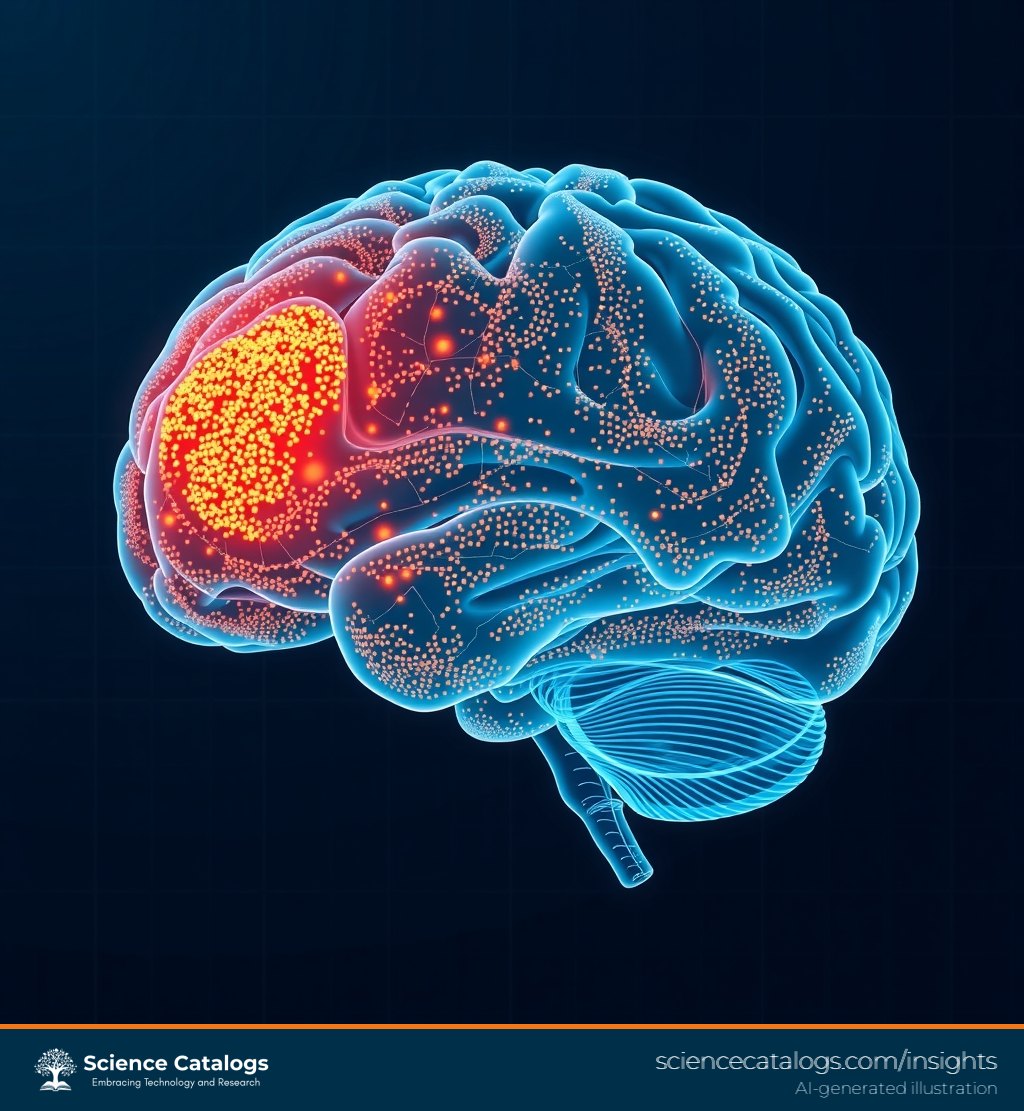
Image: AI-generated illustration.
Working on this topic? Find a journal for your research or join the discussion on Scholars Post.