Blocking TET2 turns radiation-induced suppressor cells into tumour-fighting cells in mice
 S
Radiation therapy can push bone marrow to produce immune cells that shield tumours rather than attack them. Researchers at the University of Chicago now report that the enzyme TET2 drives this switch, and that blocking it converts the cells into a type that helps the immune system. The work, published in Cancer Cell, was carried out mainly in mice, with supporting data from a small group of patients.
A suppressive response to treatment
Around half or more of cancer patients receive radiotherapy, which kills tumour cells by damaging their DNA. In some patients it also drives expansion of myeloid-derived suppressor cells (MDSCs). These cells are made in the bone marrow, travel to tumours and inhibit CD8+ T cells, the main tumour-killing cells of the immune system. A rise in MDSCs after radiation has been linked to shorter survival and a greater risk of metastasis.
To look for the cause, the team examined blood samples taken before and after treatment from 33 patients with stage IV non-small cell lung cancer. All were enrolled in a clinical trial at UChicago Medicine that combined high-dose, precisely targeted radiation with the immunotherapy drugs nivolumab and ipilimumab. Among immune cell types, MDSCs carried the most TET2. Levels rose further after radiation, most steeply in patients whose tumours did not respond.
How the switch works
In mice lacking TET2 only in myeloid cells, tumours in models of colon cancer, melanoma and lung cancer grew more slowly after radiation. The animals survived longer and developed fewer and smaller lung metastases than normal mice.
The mechanism runs through a chain of events in the bone marrow, within a day of radiation and before the cells reach the tumour:
- Radiation activates p53, a protein that senses cellular damage, which switches on TET2.
- TET2 removes a chemical mark, 5-methylcytosine (m5C), from RNAs associated with chromatin.
- Without the mark, chromatin compacts and genes for type I interferon, an alarm signal for the immune system, are silenced.
When TET2 was absent, the RNA marks remained and attracted a protein called MBD6, which helps keep chromatin open and the interferon pathway active. The myeloid cells then developed into a cell type the authors had not previously described, which they call myeloid-derived activating cells (MDACs). Unlike MDSCs, MDACs present fragments of tumour proteins to CD8+ T cells and prime them to attack.
From mouse models to a possible drug
Transferring MDACs into tumour-bearing mice slowed tumour growth. A gene signature associated with MDACs was also linked to better survival in patients across several cancer types. Because gene deletion cannot be used in people, the researchers tested an experimental TET2-blocking drug. Combined with radiation, it slowed tumour growth, reduced the number and size of lung metastases and improved the response to immunotherapy in mice.
The senior author, Ralph Weichselbaum, said the findings point to radiation resistance as a reversible programme rather than a fixed trait. The result also fits earlier reports that patients with TET2 mutations in their blood cells respond better to immunotherapy. Co-senior author Chuan He had previously shown that an RNA methylcytosine pathway underlies the tumour-suppressor role of TET2, and the new study extends that pathway into immune regulation.
Limitations and next steps
The patient cohort was small and the clinical data are observational: they show that higher TET2 after radiation accompanies poorer response, not that it causes it in people. The causal evidence, including the drug experiments, comes from mouse models. The TET2 inhibitor used is experimental, and the source gives no information on its safety or dosing in humans.
For researchers, the study links RNA modification, chromatin state and immune cell fate in a single pathway, and it suggests that the chromatin-associated RNAs themselves might be drug targets, a possibility the authors raise for preventing or treating metastasis. The team is now exploring how TET2 inhibitors could be tested alongside radiotherapy in patients. The paper is by Fei Ji and colleagues (Cancer Cell, 2026, DOI: 10.1016/j.ccell.2026.08.017).
Source: Reversing radiation-activated immune suppression in cancer (Medical Xpress, 31 October 2026).
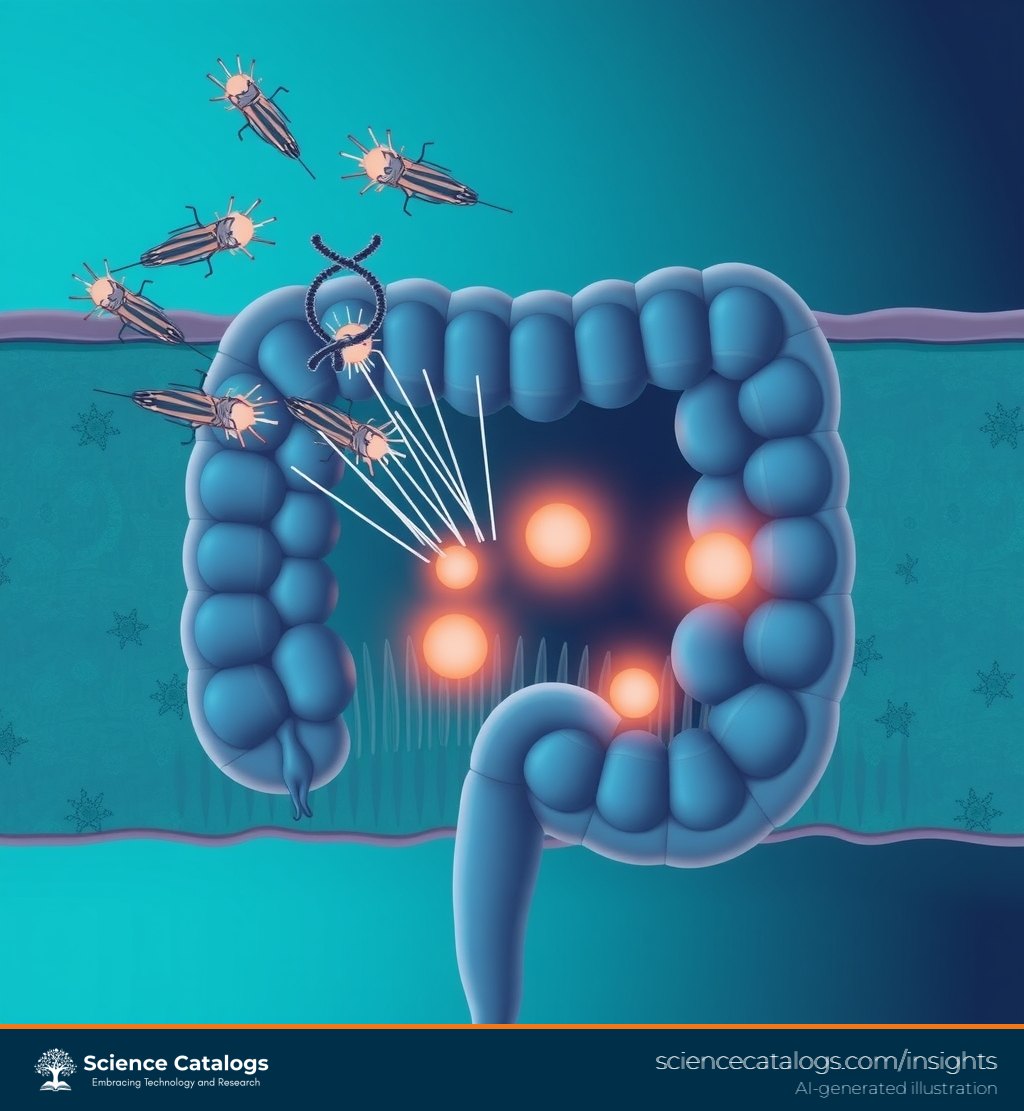
Image: AI-generated illustration.
Working on this topic? Find a journal for your research or join the discussion on Scholars Post.